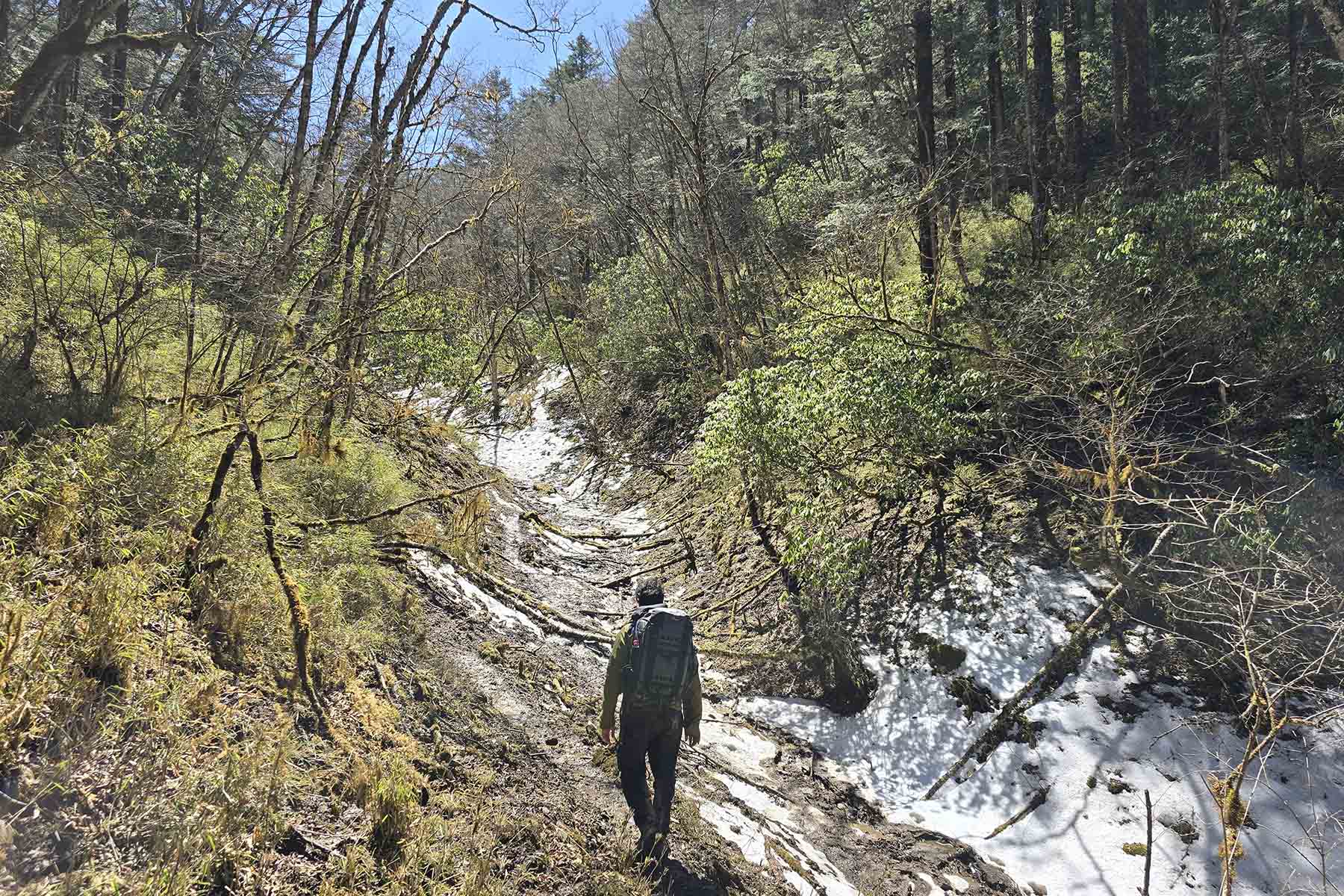
Tangjiahe Mammals & Watching Guide
Tangjiahe Nature Reserve is one of the best low altitude places in China to watch mammals. Tangjiehe Nature Reserve and its sorrounding area is home to mammals including Giant Pandas, Golden Snub-nosed Monkeys, Sichuan Takins, Leopard Cat, Revee's Muntjac, Chinese Goral, Asiastic Black Bear, etc. Listed are the usual mammales including ungulates, carnivores, primates and their suggested seasons, locations for watching, etc.
Primates
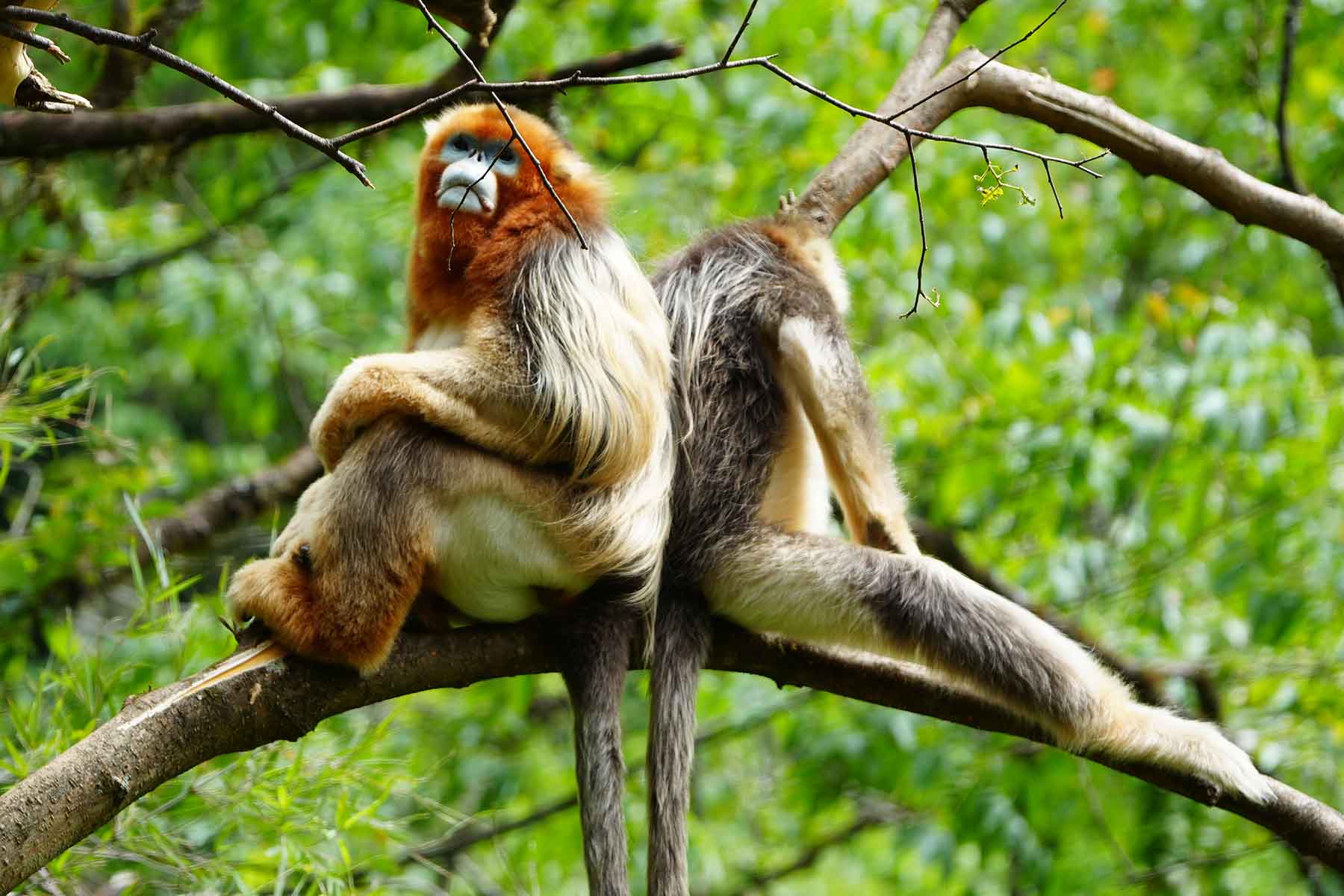
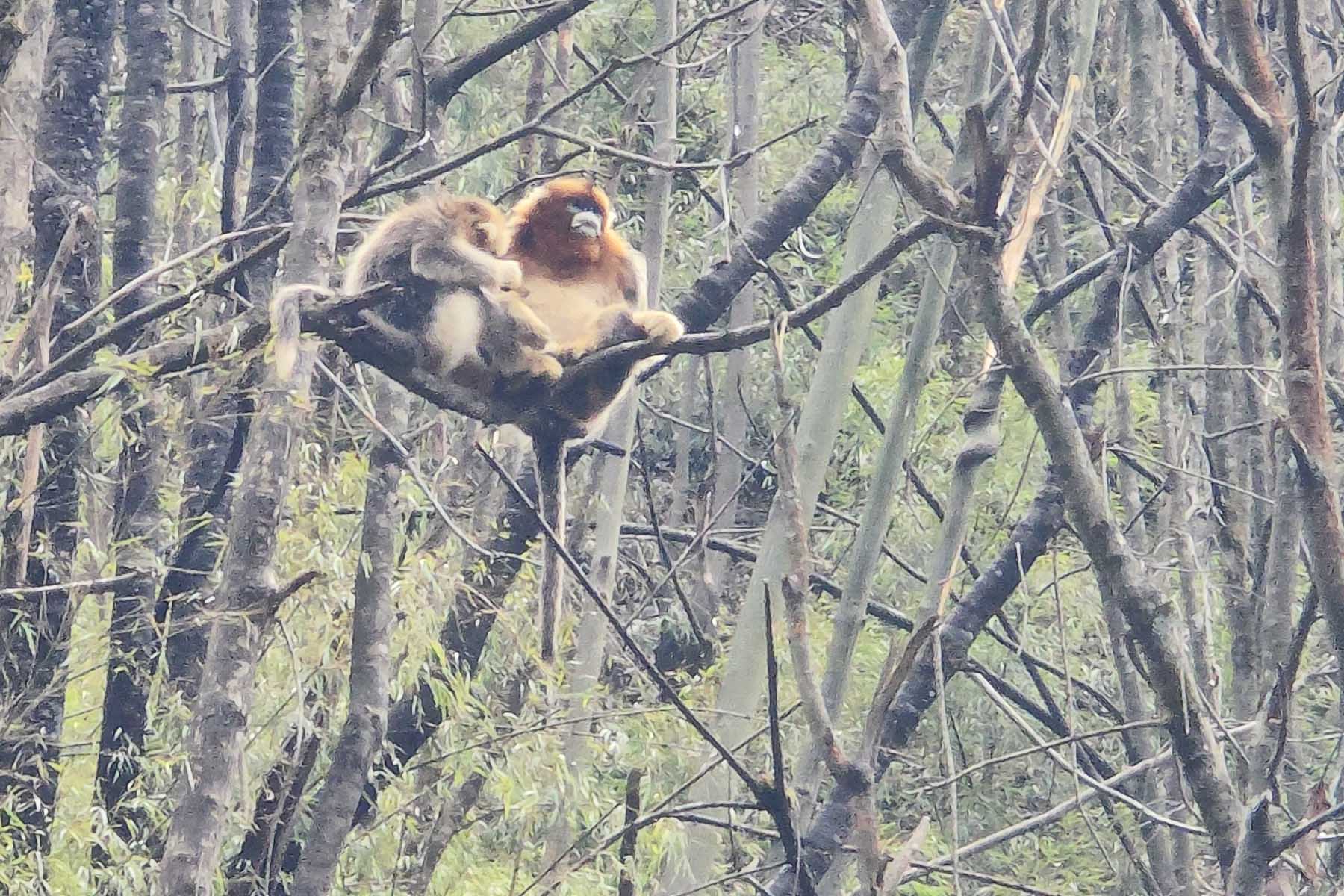
Golden Snub-nosed Monkey
 Golden Snub-nosed Monkey
- Estimated Total No.: 700 - 800 (at least 6 families and growing);
- Distribution: Dwell in Forest between 1500m and 3600m, move low in winter;
- Best Seasons to Watch: November to March with chance above 60% (estimated); April, May and October will still have chance but lower than winter. From June to September the chance is very low;
- Best Locations to Watch: roads to Shuichiping, Golf Car terminal to Motianling, Roads down from Motianling, Caijiaba Nature Education Center, roads by Maoxiangba, Baixiong Pass West (new);
- Best time to Watch: daytime, early morning & late afternoon;
- Where to Look: mainly on trees, on ground near streams/river(winter);
- Habits: Usually in big groups of dozens;
- Mating season: Autumn between September - November;
- Food Source: Leaves, Sprouts, Flowers, Nuts, Berries, Barks and Lichen(Winter);
- Suggestions & Remarks: Come in the right season, stay for minimum 3 days.
Tibetan Macaque
 Tibetan Macaque
- Estimated Total No.: 1000;
- Distribution: Forest, Rocks, Roads between 1400m and 3600m;
- Best Seasons to Watch: All year round with 80+% chance;
- Best Locations to Watch: roads by Hotel, road between Maoxiangba and Baixiong Pass, Road by Motianling, Caijiaba;
- Best time to Watch: daytime, early morning & late afternoon;
- Where to Look: by roads, bushes/trees near road, rocks;
- Habits: Usually in big groups of dozens;
- Mating season: Autumn between September - December;
- Food Source: Leaves, Sprouts, Flowers, Nuts, Berries, Barks and Lichen(Winter), human food;
- Suggestions & Remarks: It is the most common mammals to be seen.
Ungulates
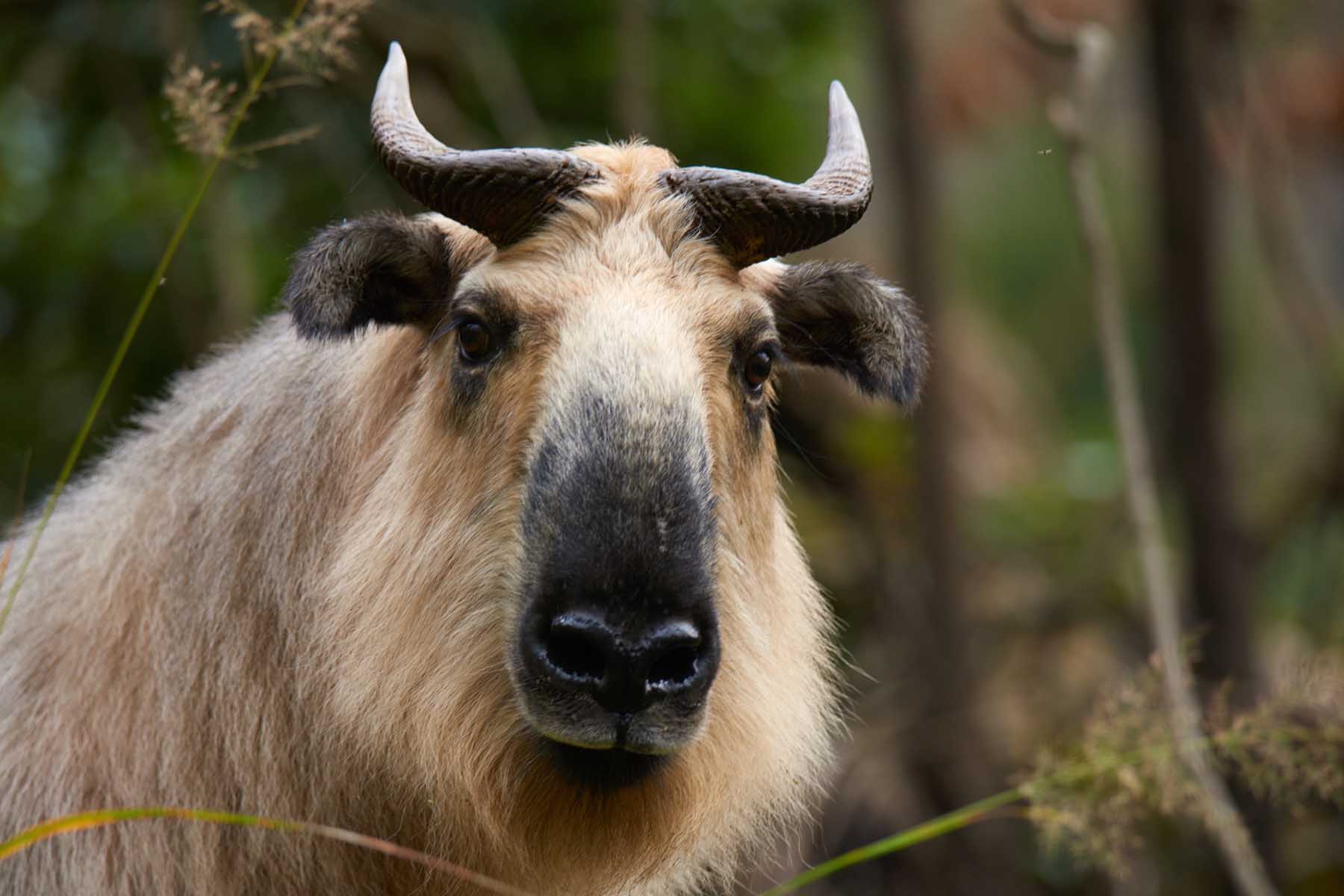
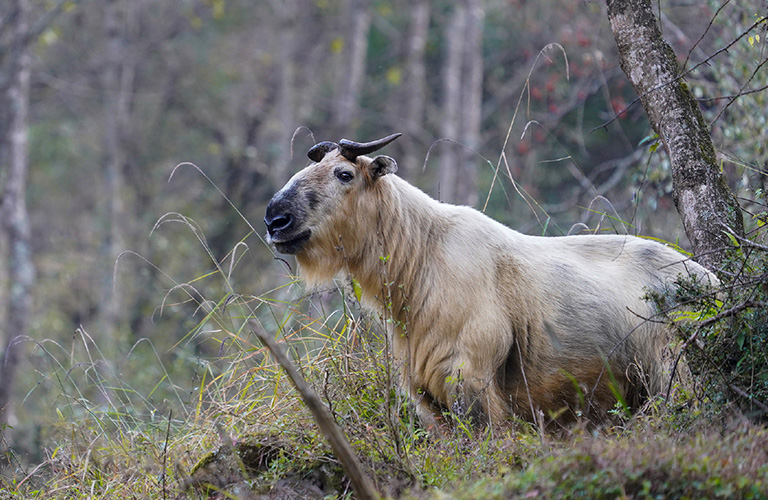
Sichuan Takin
 Sichuan Takin
- Estimated Total No.: 1300;
- Distribution: Forest & Bushes near river, between 1500m and 3600m, move low in winter;
- Best Seasons to Watch: From late August to the next May with chance above 80%; From late June the takins move higher and won’t come low til late August;
- Best Locations to Watch: road between Hotel and Caijiaba, road from Caijiaba to Dacaotang by Yanyangling, Huangmaogeng and Motianling;
- Best time to Watch: daytime, early morning before 10am & late afternoon after 4pm;
- Where to Look: mainly on ground with less or without trees, by night near streams/rivers;
- Habits: Usually in small and big groups of 3-5 or 20-30;
- Mating season: June to August;
- Food Source: Leaves, Grass, Bamboos, Lichen;
- Suggestions & Remarks: One of the most easily seen large mammals, keep a distance while watching especially by night.
Reeve’s Muntjac
 Reeve’s Muntjac
- Estimated Total No.: above 1000;
- Distribution: Open space in forest & Bushes, open grass near river, between 1000m and 3500m;
- Best Seasons to Watch: From October to the next April with chance above 90%; The other seasons still have high chance of above 50%;
- Best Locations to Watch: Baixiong Pass and Caijiaba, road near Caijiaba, near hotel;
- Best time to Watch: early morning before 10am & late afternoon after 4pm;
- Where to Look: mainly on ground with less or without trees/bushes, by night near roads;
- Habits: Usually alone or with cub;
- Mating season: N/A;
- Food Source: Leaves, Grass, Sprouts, Berries, Seeds, Mushrooms;
- Suggestions & Remarks: One of the most easily seen wildlife in any season, move in small territory.
Chinese Goral
 Chinese Goral
- Estimated Total No.: above 500;
- Distribution: Rocks, Near river, between 1200m and 3400m;
- Best Seasons to Watch: From November to the next April with chance above 50% or higher; The other seasons with chance of around 20-30%, in winter they move low;
- Best Locations to Watch: Caijiaba, road to Motianling;
- Best time to Watch: early morning before 10am & late afternoon after 4pm;
- Where to Look: mainly on rocks in forest or near rivers;
- Habits: Usually alone or in small group;
- Mating season: usually in Fall;
- Food Source: Leaves, Grass, Sprouts, Berries, Lichen;
- Suggestions & Remarks: Its color bends into nature (rocks), stays by/near rocks as shelter from predators.
Wild Boar
- Estimated Total No.: A lot;
- Distribution: Forest, Bushes, Grass, between 800m and 3500m, especially chestnut & walnut trees;
- Best Seasons to Watch: From Oct to the next April; Sept and Nov are the nuts season with also high chance;
- Best Locations to Watch: Caijiaba, Baixiong Pass;
- Best time to Watch: early morning before 9am & late afternoon after 5pm;
- Where to Look: mainly in forest, bushes, grass on the ground, sometimes near river;
- Habits: Usually family/families of 3-15 or more;
- Mating season: Autumn/Winter;
- Food Source: Leaves, Nuts, Grass, Sprouts, Berries, Roots, insects, dead bodies;
- Suggestions & Remarks: Traces of wild boar on ground is easy to see (they play with dirt), relatively small territory.
Chinese Tufted Deer
- Estimated Total No.: above 1000;
- Distribution: Forest, Bushes between 1200m and 3000m,;
- Best Seasons to Watch: From Nov to the next April of chance above 50%;
- Best Locations to Watch: road to Shuichiping, Caijiaba, Baixiong Pass, Maoxiangba, road near Motianling;
- Best time to Watch: early morning before 9am & late afternoon after 5pm;
- Where to Look: mainly in forest, bushes on the ground, sometimes near river;
- Habits: Usually alone sometimes in pair;
- Mating season: Autumn/Winter;
- Food Source: Leaves, Grass, Sprouts, Flowers, Crops;
- Suggestions & Remarks: Solitary animal, walking is a good way to spot them.
The following ungulates are also seen in Tangjiahe but chances are lower due to smaller number, bigger territory, or some species live at higher altitude where the access by visitors are restricted. These ungulates live in the vast forest of Tangiiahe and usually need luck to see them. Chinese Serow is solitary animal that the chance of seeing them is very low. Himalayan Blue Sheep has a large number but live by high altitude above 3000m whereas the usual accessible areas in Tangjiahe by visitors are restricted to below 1600m and certain areas below 2400m. Forest Musk Deer is solitary animal and extremely hard to see.
Carnivores
Giant Panda (Rare)
 Giant Panda
- Estimated Total No.: 30+;
- Distribution: Forest between 1700m and 3100m, in winter below 2500m, in summer below 3100m;
- Best Seasons to Watch: November to the next March is good season when pandas move lower, March, April to May is mating season, overall chance of seeing a giant panda is less than 5%;
- Best Locations to Watch: trails above Shuichiping (restricted area), trails by Motianling, trails above Baixiong Pass West (new), Trails above Dongjiayan (restricted area). All places involve long walking of over 5km;
- Best time to Watch: Uncertain;
- Where to Look: mainly on ground in Bamboo bushes at around 2200m or above, rarely near river, streams, rarely on trees (cubs);
- Habits: Usually alone, sometimes mother with cub;
- Mating season: late March- mid April;
- Food Source: Bamboos;
- Suggestions & Remarks: Solitary animal, one of the hardest mammals to be seen in Tangjiahe. Yet Tangjiahe is still one of the good places to see giant pandas in nature conditions among many other panda reserves. Daily moving distance 400-500m with relatively small territory of around 4-7 sqkm; recommend to bring a thermal scan and powerful scope.
Asiastic Black Bear (Moon Bear)
 Asiastic Black Bear
- Estimated Total No.: 50+;
- Distribution: Forest between 1100m and 3000m,;
- Best Seasons to Watch: The chance of spotting a black is overall very low (5% or lower). July to October is the berry and nuts season; Before late Nov there is a short window of less leafy time before hibernation; April to May is another chance after hibernation, July and August is the cub training season;
- Best Locations to Watch: road to Shuichiping, Dongjiayan(restricted area), road near Motianling, Zijin Huagu;
- Best time to Watch: early morning before 9am & late afternoon after 5pm;
- Where to Look: mainly on trees, ground, sometimes near river, bushes;
- Habits: Habits: Usually alone;
- Mating season: Summer/Autumn;
- Food Source: Leaves, Sprouts, Berries, Nuts, Insects, Crops, Dead Bodies;
- Suggestions & Remarks: Solitary animal, one of the hardest mammals to be seen.
Yellow-Throated Marten
 Yellow-Throated Marten
- Estimated Total No.: 30+;
- Distribution: Forest and bushes between 1200m and 3000m,;
- Best Seasons to Watch: from November to April, chance between 10-20%;
- Best Locations to Watch: road to Shuichiping, Caijiaba, Maoxiangba;
- Best time to Watch: daytime morning before 10am, afternoon after 2pm;
- Where to Look: edge of forest, river sides, rocks, on both ground and trees;
- Habits: alone or in groups of 2-4, sometimes in groups in winter;
- Mating season: spring;
- Food Source: Birds, Mice, Muntjac, Musk, tufted deer, Berries;
- Suggestions & Remarks: Territorial animal, walking on hill ridges, very fast animal.
Hog-nosed Badger
- Estimated Total No.: 30 or above;
- Distribution: Bushes near river,rocks between 1000m and 3000m,;
- Best Seasons to Watch: October to November, April-May, chance between 20-30%;
- Best Locations to Watch: road to Shuichiping, Caijiaba, Maoxiangba;
- Best time to Watch: nighttime, morning before 5am, evening by after 8pm;
- Where to Look: on ground, bushes, near river/streams, rocks, burrows;
- Habits: alone;
- Mating season: spring;
- Food Source: Birds, Mice, insects, crops, Berries;
- Suggestions & Remarks: not complete hibernating, short distance traveling.
Masked Palm Civet
- Estimated Total No.: 200 or above;
- Distribution: on berry trees by between 800m and 2500m,;
- Best Seasons to Watch: July to October the berry seasons, chance between 20-40%;
- Best Locations to Watch: Caijiaba, Liangzhujing, Dongjiayan (Restricted area);
- Best time to Watch: nighttime, morning before 5am, evening by after 8pm;
- Where to Look: on the trees, on the ground near berry trees, on fruit trees;
- Habits: alone, or mother with cub;
- Mating season: spring;
- Food Source: Berries and fruits, Birds, Mice, insects, Flowers;
- Suggestions & Remarks: normally around fruit/berry trees, good tree climbers.
Leopard Cat
 Leopard Cat
- Estimated Total No.: 100 or above;
- Distribution: forest between 800m and 3000m;
- Best Seasons to Watch:November to the next March, chance between 5-10%;
- Best Locations to Watch: Caijiaba, Shuichping (Restricted area);
- Best time to Watch: nighttime, morning before 5am, evening by after 8pm;
- Where to Look: on the trees, on the ground near rivers/streams;
- Habits: alone, or mother with cub;
- Mating season: uncertain;
- Food Source: Birds, Mice, insects;
- Suggestions & Remarks: hunt on ground and on trees, large territory.
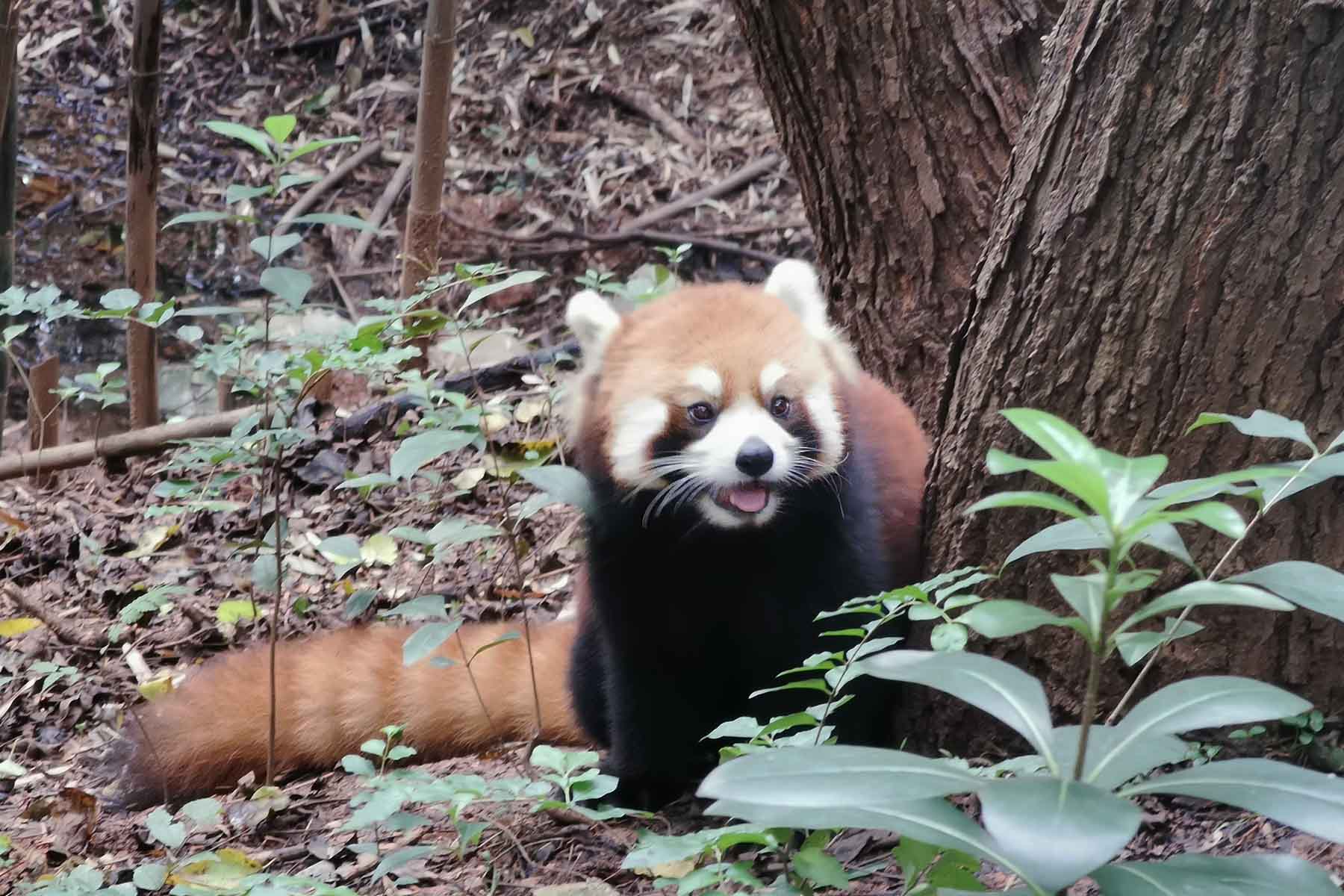
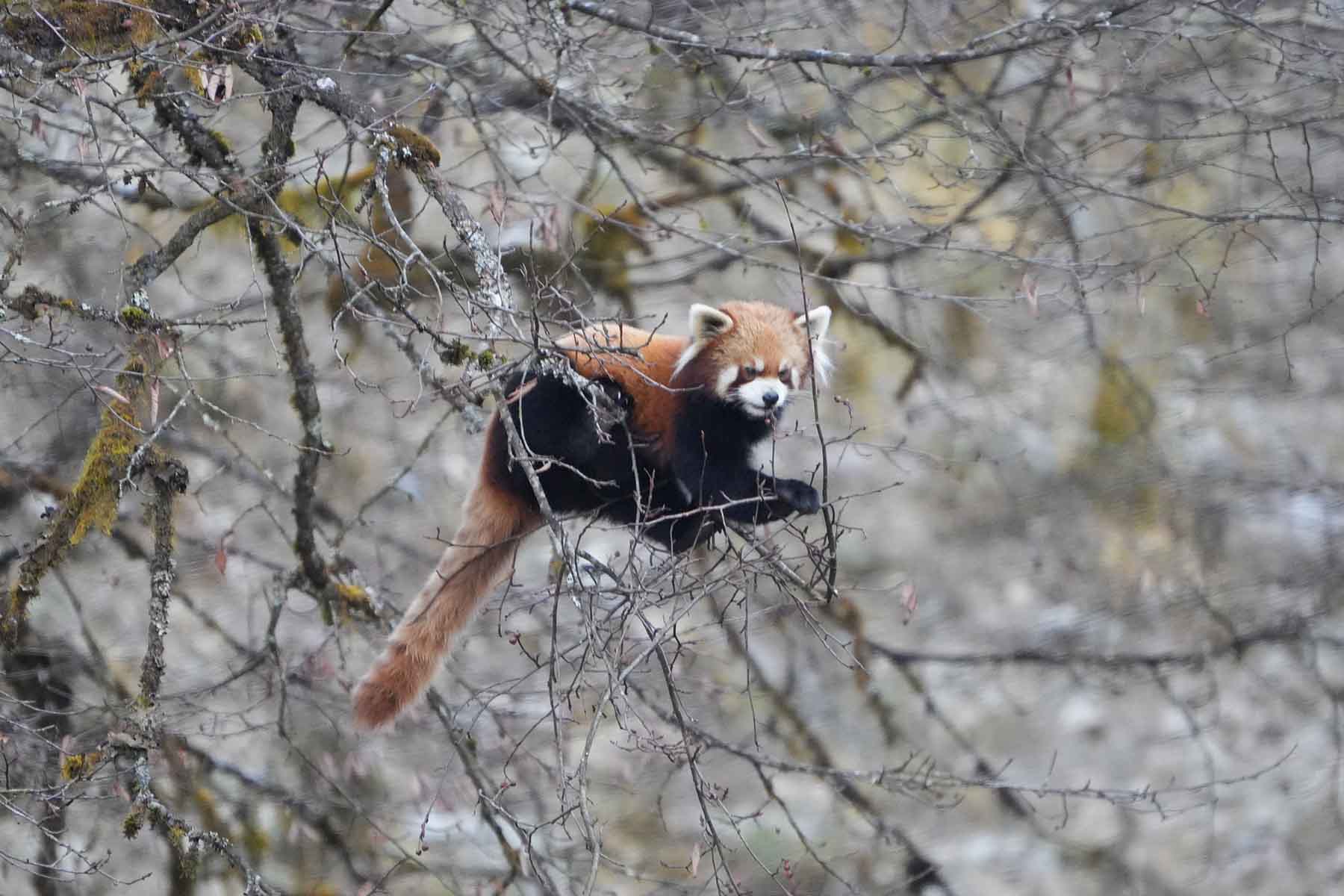
The following carnivores are also spotted in Tangjiahe but the chance of seeing them are extremely low. These include Eurasian Otter (Rare but in recent years have seen them), Red Panda (Rare and higher altitude by above 2000m), Leopard (Extremely Rare), Clouded Leopard (Rare), Asian Golden Cat (rare), Mountain Weasel (rare and at high altitude), Yellow-bellied Weasel (rare), Chinese Ferret Badger(rare), Eurasian Badger(rare), Red Fox(rare and at higher altitude).
Rodents & Lagomorphs
In this category usually include red-bellied squirrel, rock squirrel, chestnut-bellied squirrel and hedge-hog (night).
Private Tour
Private Tour
Group Tour