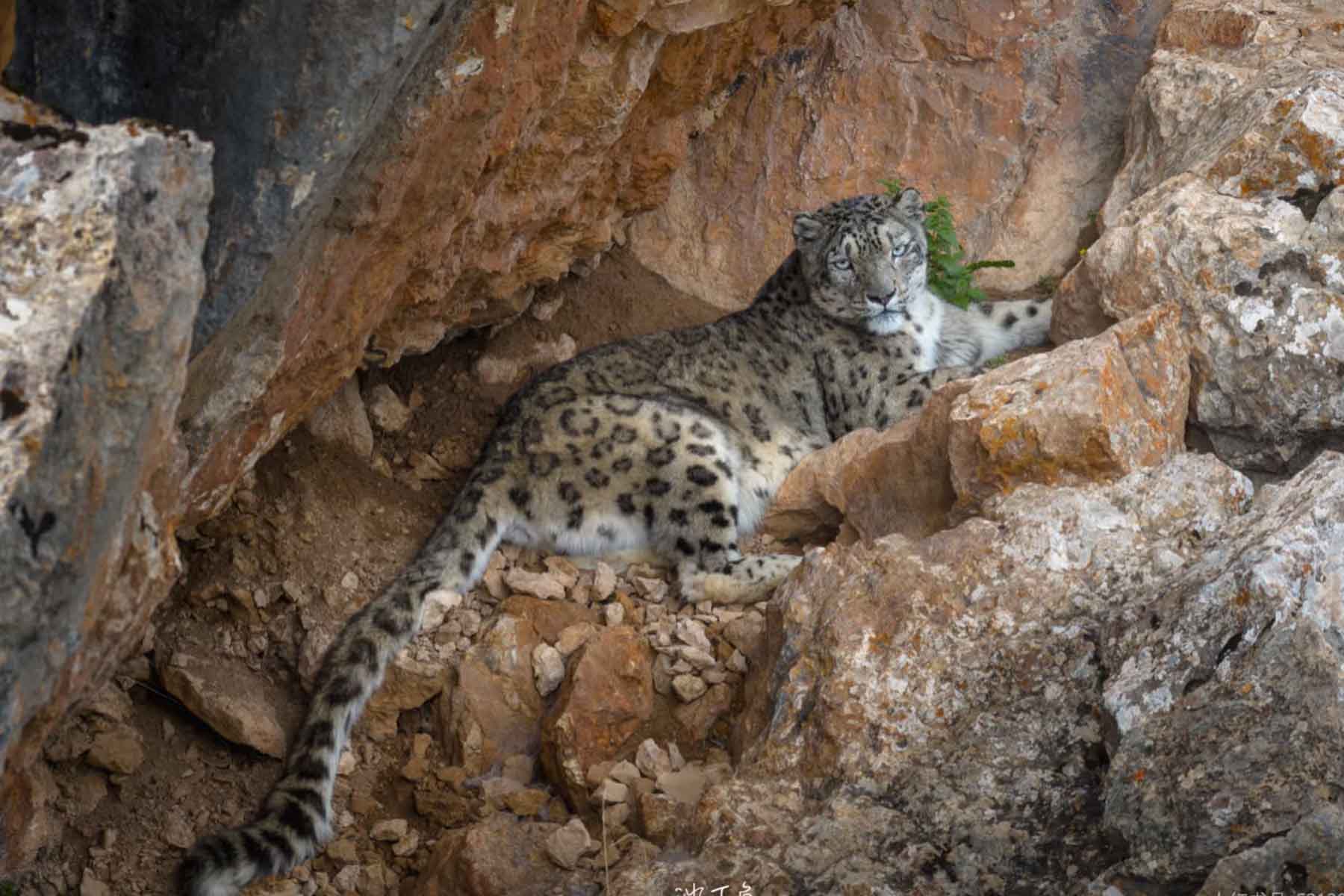
Snow Leopards are medium-large size black-spotted light color cats that live in cold conditions in Asia from Mongolia to India including the high mountains of Tibet above 3000m. It is estimated around 60% of Snow Leopard live in the territory of China. Snow Leopard is listed as Class 1 Protected Wildlife in China.
 Snow Leopard
An estimated total number of Snow Leopard in China is around 4500 out of an estimated 6000-7000 snow leopard population worldwide. In China they are mainly found on Tibetan Plateau and its surrounding areas as well as East Pamirs of Xinjiang, Tienshan of Xinjiang Central-North, Qilian of Gansu and Qinghai, South Altay in Xinjiang. Around 40% of all Snow Leopard habitat is under strict protection in China.
 Snow Leopard Distribution Map in Asia
A recent estimate on the number of Snow Leopard in different provinces in China is as follows.
 Snow Leopard
Qinghai Province in China has the most stable and monitored system of reservation of Snow Leopard in China. Within Qinghai the main areas of Snow Leopard include Yushul, Golog, Haixi, Haibei of Kekexili and Sanjiangyuan, Kunlun, Qilian.
The Sanjiangyuan (Origins of 3 Rivers) Nature Reserve is one of the biggest reserves for Snow Leopard in China and has so far the most sophisticated built-up of monitor system of Snow Leopard. Sanjiangyuan has a total size of 123,000 km² and estimate of total 300-600 snow leopards.
Qilian Nature Reserve is located by Qilian Mountain Range between Gansu and Qinghai, home to around 250+ snow leopard total. The core areas include Subei, Tianjun, Menyuan and Qilian County.
Snow Leopard in Tibet province has the greatest in number and some estimated to be around 3000+ total. The main places of snow leopard in Tibet includes Nagqu of Kekexili, Qiangtang and Kunlun, Ngari, Shigatse, Shannan, Nyngchi of North Himalaya. The important reserves include Qiangtang Reserve (estimated of 800+ snow leopards), Mt. Everest Reserve.
Xinjiang is the biggest province in China and also home to a good number of Snow Leopard. The main areas of snow leopard in Xinjiang include Altay (estimated 150+), Tacheng, Yining, Artux, Aksu of Altay Range, Tienshan Range, East Pamirs and Kunlun Range.
West part of Sichuan Province is on the Tibetan Plateau that provides natural conditions for snow leopards. The main areas of snow leopards in Sichuan include Sershul, Derge, Ganzi, Bayul, Aba and high mountains of Daxueshan (estimated 30+) and Shalulishan Range. Most snow leopard habitats here are isolated.
In Gansu the snow leopard mainly live by Qilian (estimated 50+) of Jiuquan, Zhangye.
Yunnan and Inner Mongolia also have snow leopard but the number is small.
 Snow Leopard
 Snow Leopard
The most accessible places to see Snow Leopard in China in the wild is in Qinghai Province and some parts in Gansu and Sichuan Province.
Most good and accessible locations for Snow Leopard sighting are located on Tibetan Plateau where some places have limited access to foreigners. Please send your inquiry to us if you are interested in any specific place.
Xining Zoo (Xining Wildlife Rescue Center) has 12 snow leopards. Qilianshan Wildlife Rescue Center has 1 snow leopard. Beijing Zoo has 1 snow leopard. Tienshan Zoo has 1 snow leopard. Sershul Wildlife Rescue Base has 1 snow leopard.
All seasons of the year are good for sighting Snow Leopards. They have been seen in different seasons by different locations.
The best seasons to sight Snow Leopard is from October to the next March due to the seasonal migration of Blue Sheeps moving to lower altitude for food, hence snow leopards follow, making the sighting relatively easier. The snow condition also makes the sighting easier for bigger contrast of color difference of environment and snow leopard. The footprints also help on tracking snow leopards.
February and March is the mating season that snow leopards are very active and a good season for sighting.
In summer season the travel conditions are more comfortable to humans since it’s warm and the chance is still good. In many places in Qinghai there is a seasonal rotation of yak-herding that normally better to avoid the yaks if possible.
September may see mother taking cubs moving around.
The best time to sight for Snow Leopard is morning and late afternoon in a day: 6am to 9am and 4pm to 7pm.
It is hard but possible.
If you go to the right location and with experienced guide, your chance of seeing a snow leopard is above 50%. The challenge is on the travel side that the places are usually far, remote, cold, poorly-developed. In recent years the built-up of conservation of snow leopard has kept the number of snow leopard stable but the yak herding tradition is still existing. There is chance of shutdown of some reserves due to violation of environment protection, making the trip planning more challenging.
Track
The diameter of footprints of an adult snow leopard is between 9 to 13 cm, slightly smaller than those of leopards (12–16 cm) and larger than those of lynxes (7–10 cm). Their plantar pads are broad and rounded, with four toes close together; the overall footprint resembles a plum blossom in shape but with shorter distances between the toes. The soles are covered with thick fur, making the edges of the footprints blurred (obscured by the fur). No obvious claw marks are visible (the claws are retractable and do not protrude when walking). Snow leopards has bigger forefeet than hindfeet. Their footprints are arranged usually in a straight line with a stride length of approximately 40–60 cm when walking and up to 2m when running.
Scat
Scat is often cylindrical and segmented, with obtuse and rounded ends, 7–15 cm in length and 2–3 cm in diameter. Tangled hair (white and brown, mostly from Blue Sheep) is usually found within as well as bone fragments. They usually have a strong smell of a mixture of musk and carrion, and the smell remains even after drying. Snow Leopard feces are usually found by on rocks, trails, mountain ridges.
 Snow Leopard
Wildlife that shares the same territary of Snow Leopard includes Pallas Cat, Tibetan Antelope, Gazelle, White-lipped Deer, Lynx, Qiang, Tibetan Fox, Himalayan Wolf, Brown Bear, various raptors, etc.
Some snow leopard reserves in China has developed a monitor system that allows snow leopard lovers to go sighting at fixed locations although some of them are still not available or allowed to the public. Sanjiangyuan of Qinghai has so far the most stable and reliable sighting opportunities. Most snow leopard trips will involve Qinghai, a far, remote, nomadic, less-developed place in China. Below are some useful information of what to expect on a snow leopard trip to China.
High Altitude
The altitude is high in many snow leopard places. In Qinghai and Tibet, Sichuan the average altitude of traveling is above 3800m and often at around 4200m but below 4800m in general. Precautions and AMS medicines need to be taken before traveling here. You are recommended to acclimate properly for such trip. Overnight places are often over 3800m.
Cold Temperature
Summer(June - September) will see temperature between 5C and 20C in general, making it the best season to travel temperature-wise. Spring(Apri-May) and Autumn (October-November) will expect temperature between 0 and 10C. Winter is cold at between -15C and -5C. You are recommend to make sufficient preparations if you are traveling in winter seasons.
Long Drives
Qinghai and Tibet (and west Sichuan), Xinjiang are all very big places. From one place to another will involve long drive for hours. Usually one will expect long drive between the towns and locations in Qinghai Sanjiangyuan Reserve.
Very Basic Hotel Conditions & Limited Food Choices
Most towns and villages will have place to stay but usually with very limited options. In the bigger towns the hotels are okay with attached bathroom and some food choices. In remote villages the lodge is with very limited options and food also. Please expect for very basic conditions for overnight and prepare for supplement of food.
 Snow Leopard
Go to the Right Place & Hire a Guide
Learn the facts of Snow Leopard and their distribution places in China. Do your research and make detailed planning. Otherwise the best way is to sign up one of the snow leopard tours. Doing a snow leopard trip independently by yourself is possible in China but will possibly take longer time on you and face more trouble on transport, language barrier, police check, hotel and food.
Invest in Time and Patience
To spot snow leopard in the wild will take time and patience. This is expected on any wildlife tour.
Expect Hardship on Travel
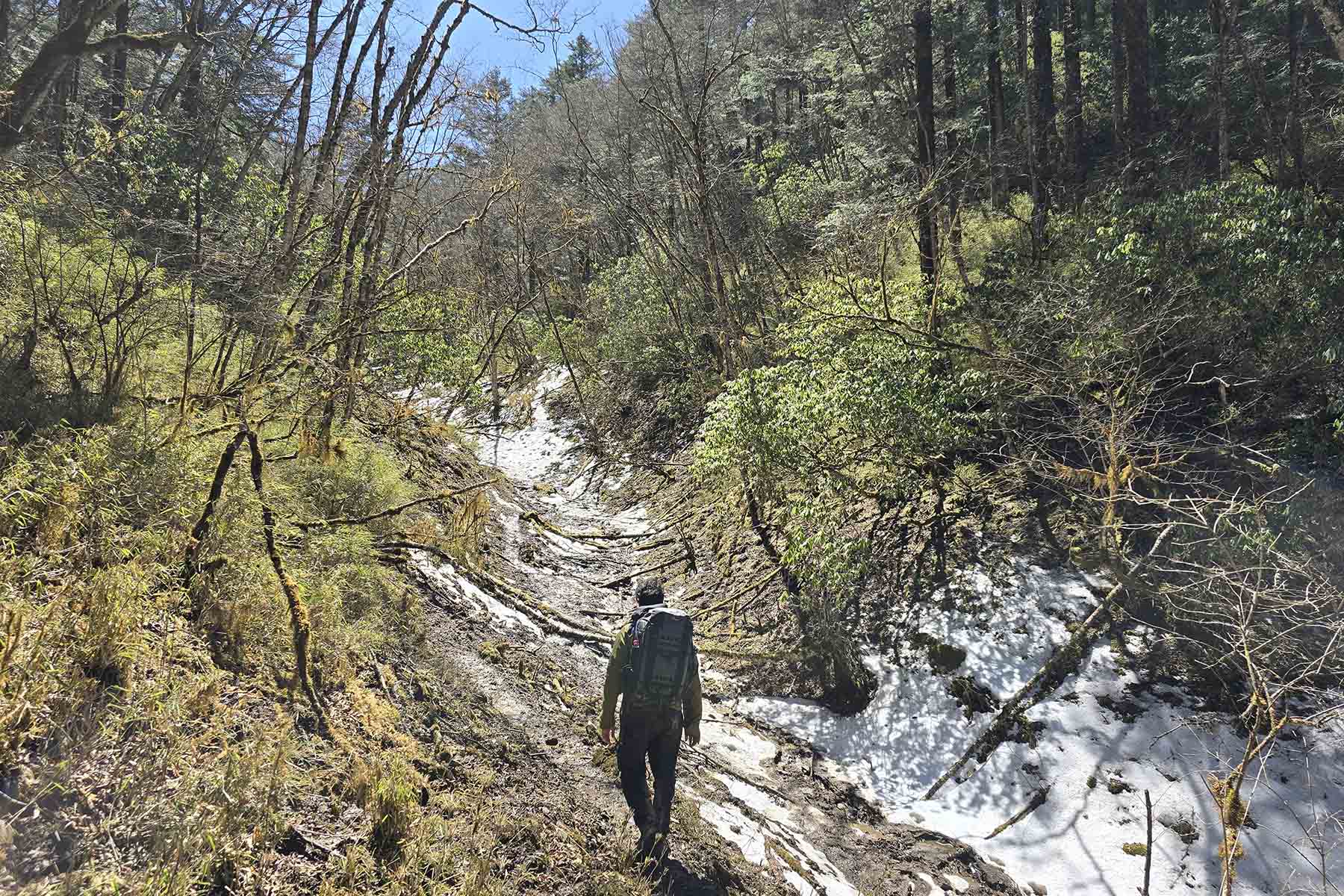
On a guided tour you may ask for hotels that are as comfortable as possible where available but some places for snow leopard sighting are overall under-developed and some even in poor conditions.
Check Gears
Bring the right gear for a snow leopard trip including binoculars, scopes, scans and camera with good lens and memory cards.
 Snow Leopard
Sichuan Travel Guide offers customize and private tour featuring snow leopards and other wildlife in the same areas. Please send your inquiries and questions.