

Price: upon inquiry
Destinations Visited: Chengdu, Mt Emei, Leshan, Dujiangyan
Departure: Private Tour / Flexible Date
This is the ideal trip for those who want to get diverse things to see and experience while in Chengdu. Take a exciting visit to Giant Panda Base. You won’t also miss other highlights in Chengdu, such as Jinlin Street, Wenshu Temple, etc. Then take a side trip to world heritage sites – Leshan Giant Buddha and Emeishan Mountain, which will astound you with incredible Buddha statues, grand temples as well as fabulous landscape on Emeishan.
Book Now07:30 start from hotel and drive to visit Giant Panda by Chengdu Panda Breeding Center
12:30 lunch
13:30 visit Wenshu Monastery
15:00 visit Jinli Old Street
18:00 finish and drop off to your hotel
Chengdu Panda Base: Chengdu Research Base of Giant Panda Breeding, also known as Chengdu Panda Base, or Chengdu Giant Panda Breeding Center, is one of most important official bases for researching evolution, history, breeding, re-wilding training and other studies on Giant Panda. Chengdu Giant Panda Breeding Center (somewhere referred as Chengdu Panda Base) is one of the (6) best places to see pandas in China. Chengdu Giant Panda Breeding Center has a total of over 100 pandas in number, the greatest of all panda bases in China and the biggest facility of captive pandas. One can also see red pandas, baby giant panda cubs as well as golden snub-nose monkeys in Chengdu Giant Panda Breeding Center.
Jinli Old Street: Jinli Old Street is one of the biggest old streets in Chengdu. It is one of the must-sees sites in Chengdu. It is considered part of the Wuhou Shrine. Jinli means the alley of brocade, named after another name of Chengdu. It is a traditional pedestrian street in Chengdu. Jinli is 550 meters’ long and was named the first commercial street in Chengdu. The constructions are from Ming and Qing Dynasty. You can find restaurants, bars and many interesting shops here.
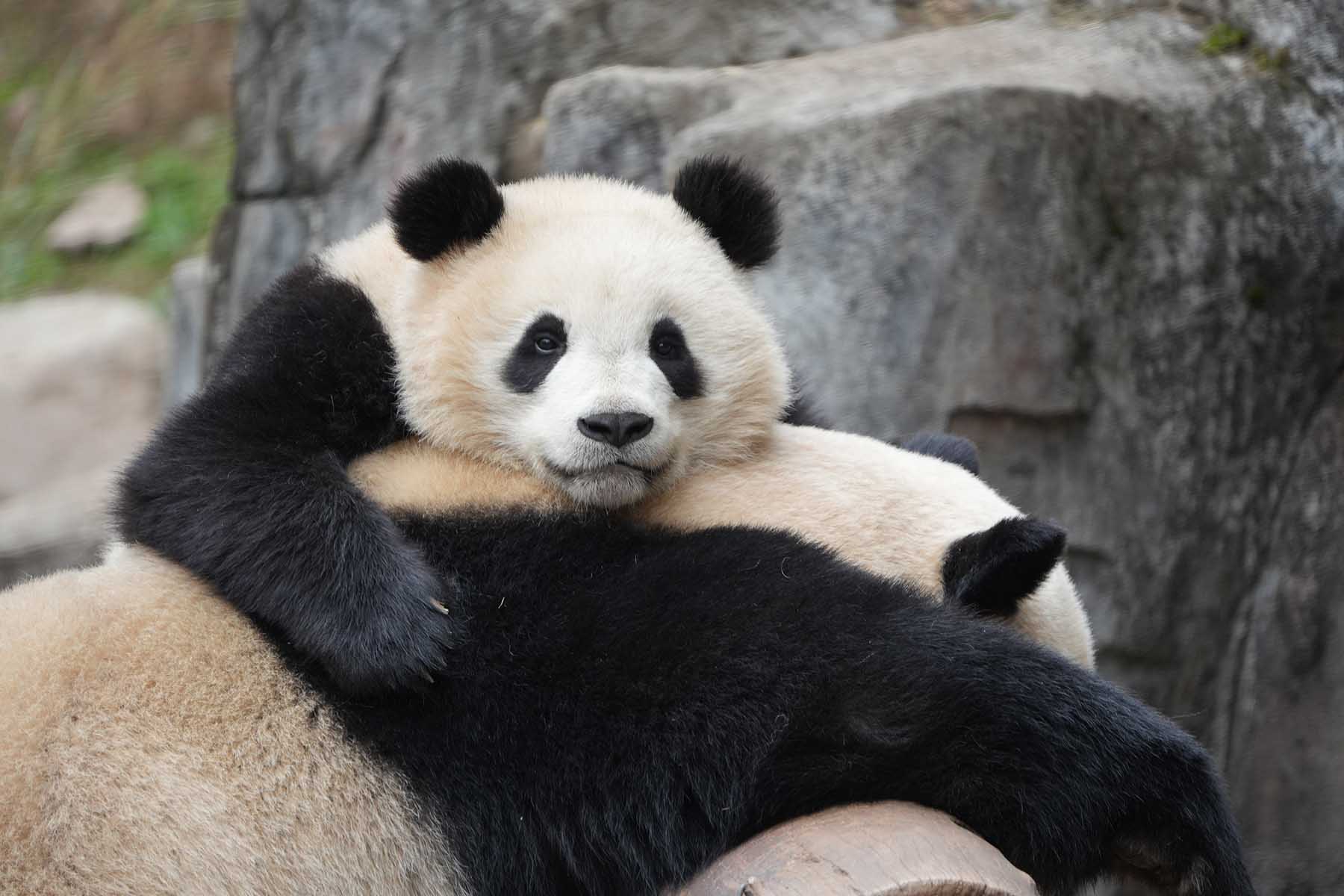
Chengdu Giant Panda Base
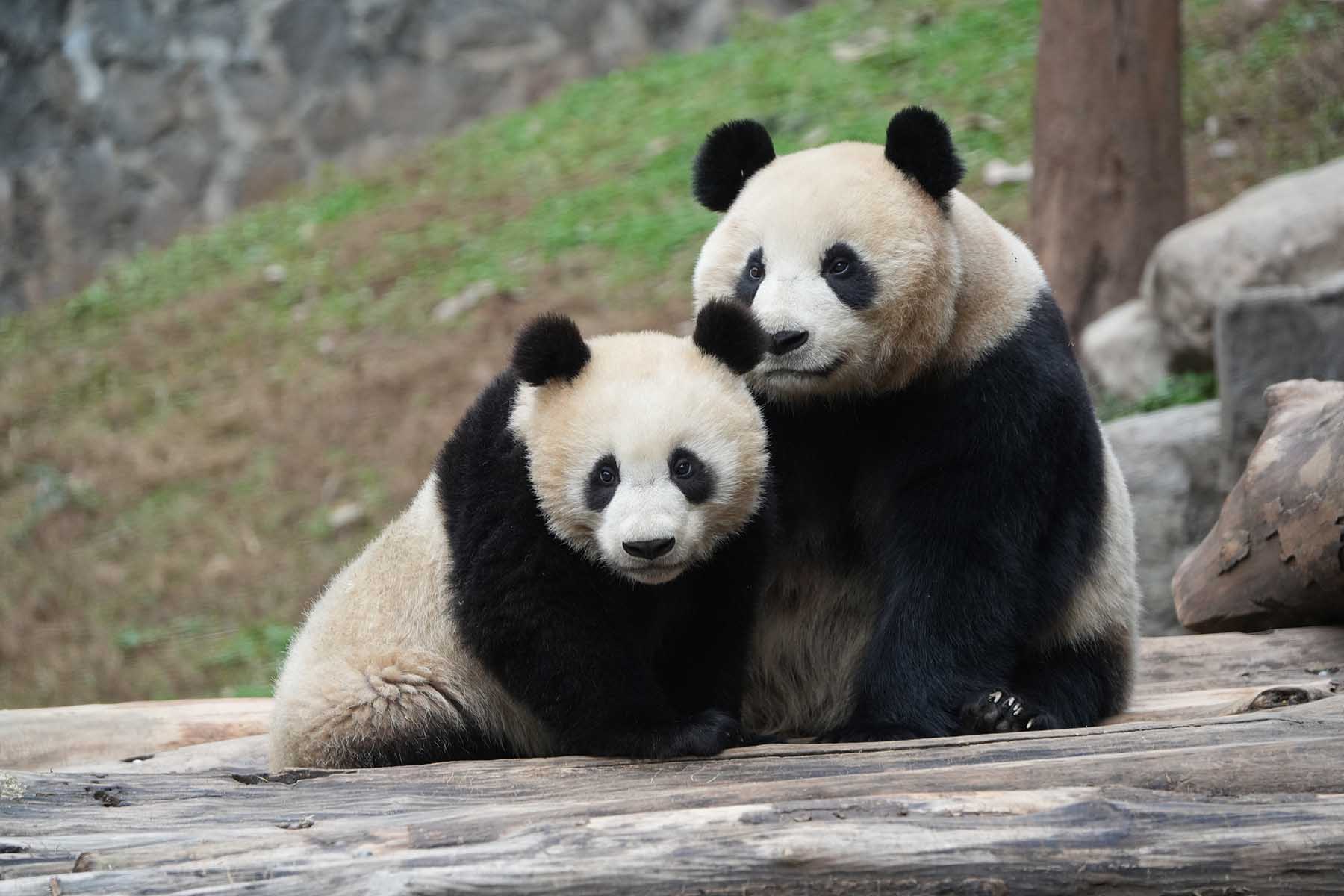
Chengdu Giant Panda Base
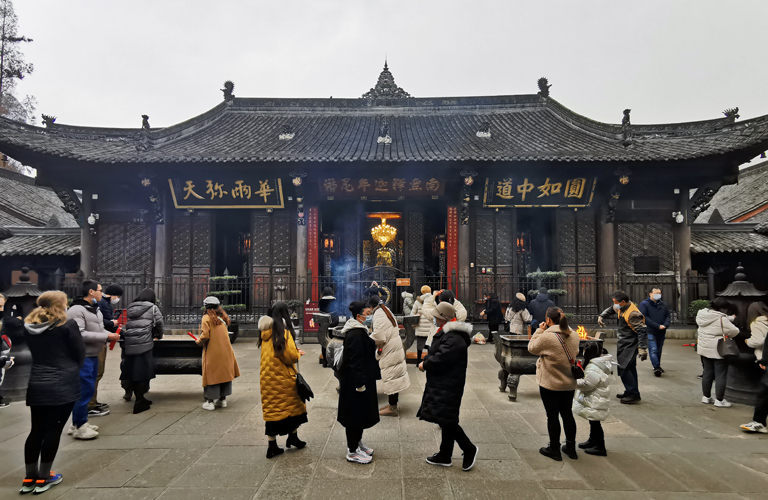
Wenshu Temple
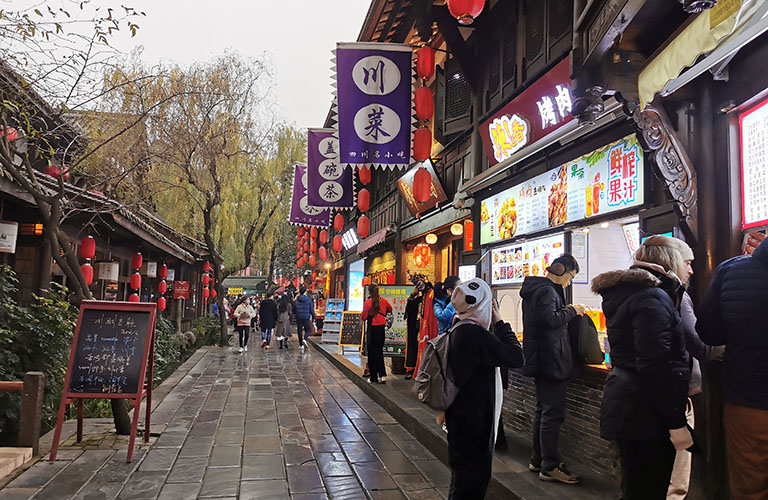
Jinli Street
08:00 start from hotel and drive to Emei
10:30 arrive and visit Emei
18:30 finish and drop off to your hotel, overnight by the base of Emei,
Emeishan: or Mount Emei, is located in the southwestern Sichuan Basin, about 120 km (2.5 hours’ driving) away from Chengdu Shuangliu Airport, 7 km to Emeishan City, and 37 km from its famous neighbor destinations Leshan. Emeishan plays a very important role in Chinese Buddhism, which make it be ranked as one of “Four Sacred Buddhist Mountains of China.”(Another three are Wutaishan, Putuoshan, Jiuhuangshan). Emeishan, together with Leshan Giant Buddha, were ranked as UNESCO Natural and Cultural Heritage Site in 1996.
Golden Summit : Golden Summit is located at the second highest peak of Mount Emei, adjacent to Wanfoding (Ten Thousands Buddha Summit) of Mount Emei. Sanding on the mountain of Golden Summit and looking far, you can get a panoramic view of Chengdu Plain. When the weather is good, you can even see Mount Gongga Snow Mountain (Minya Konka). After the Wenchuan earthquake on May 12, 2008, the altitude increased by about two meters from the original 3077 meters to 3079 meters. The three of the famous Four Wonders of Mount Emei: Buddha Light, Sunrise, Cloud Sea can be enjoy here. Not only can you enjoy the sunrise of the Cloud Sea, but you can also worship the highest golden Buddha in the world - the multi-faced golden statue (48m) of Samantabhadra Bodhisattva.
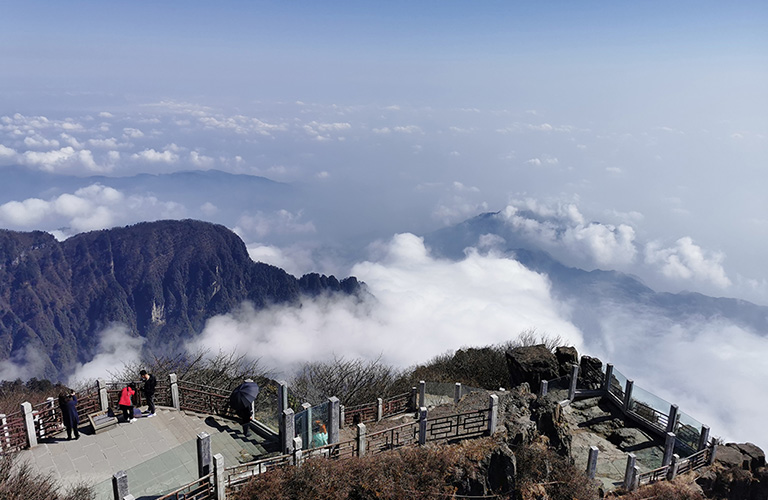
Mt. Emei
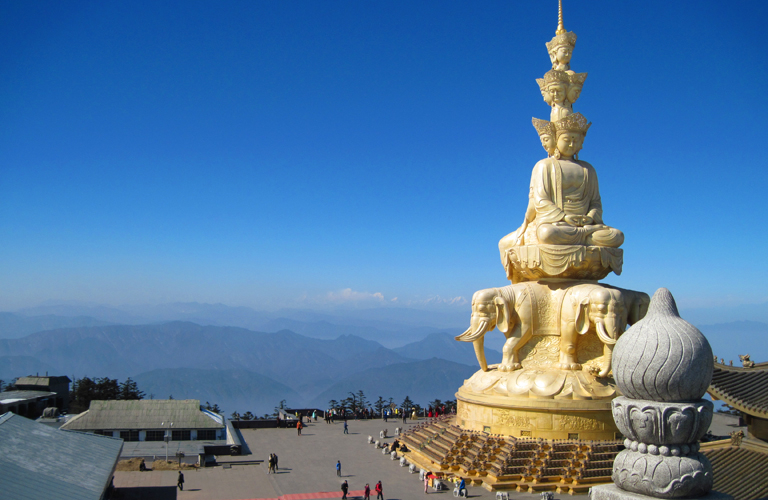
Mt. Emei
09:00 start from hotel and drive to Leshan
10:00 arrive Leshan and visit the Buddha by boat or walking
12:30 lunch
14:00 drive to Chengdu
15:30 en route visit Pengzhen Guanyinge Tea House
18:00 drop off to your hotel or optional night tour to see the twin tower night view
Leshan Buddha: Leshan Giant Buddha Scenic Area is the must-see highlight of Leshan City. The world-famous Giant Buddha, carved into the western river cliff face of Lingyun Mountain, was included by UNESCO on the list of the World Heritage sites in 1996. Praised as the largest and the tallest carved stone Buddha Statue in the world, the Giant Buddha stands 70 meters tall. What makes the Giant Buddha so amazing is not only because of the huge size, but also the drainage system made of hidden gutters and channels.
Pengzhen Teahouse : Pengzhen Old Tea House is an old and authentic teahouse near Chengdu. It is located by the riverside of Yangliu in Shuangliu District, Chengdu. It has a history of over 100 years and a famous photography location for many photo lovers. The teahouse itself has been listed as a protected old building.
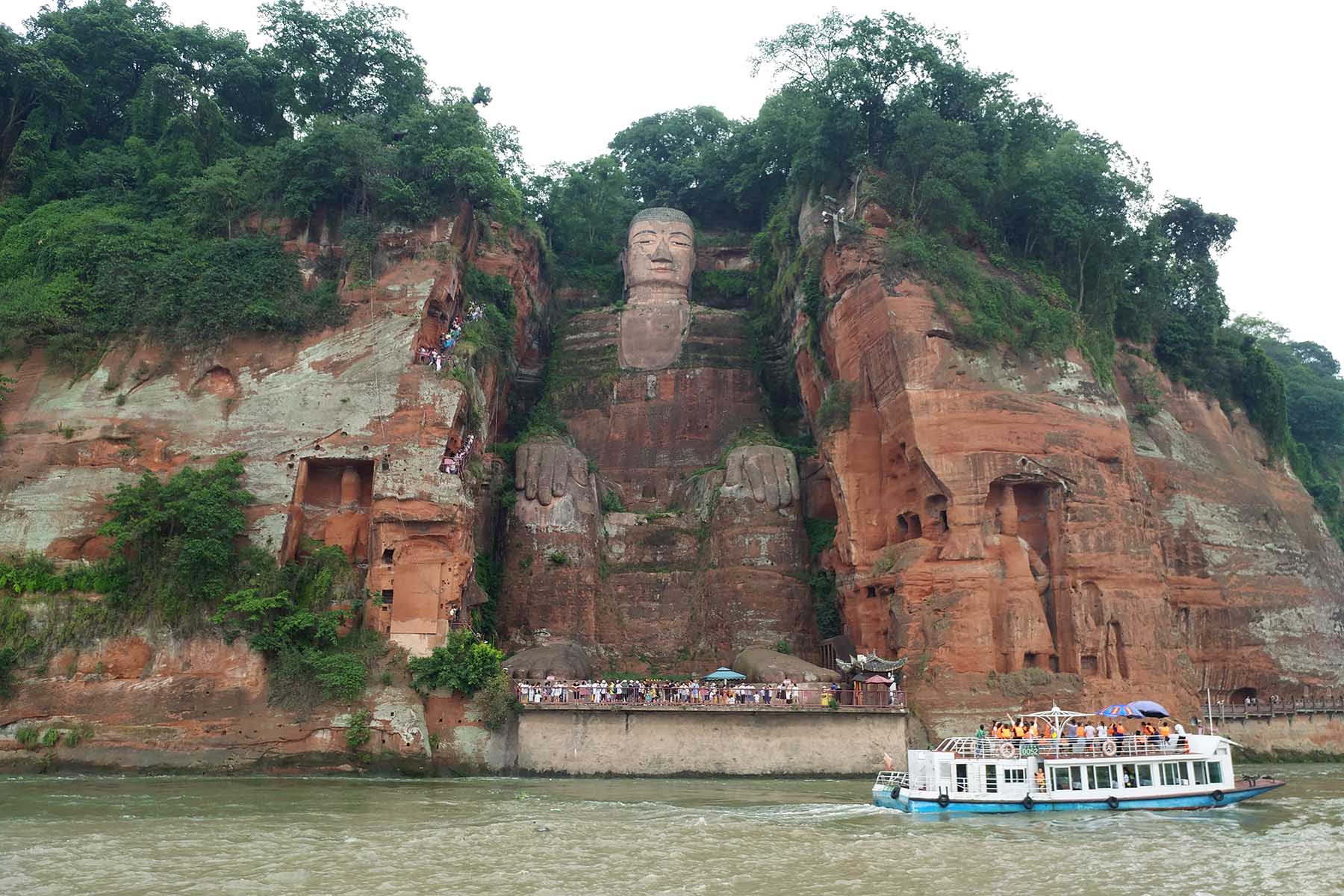
Leshan Grand Buddha by Boat
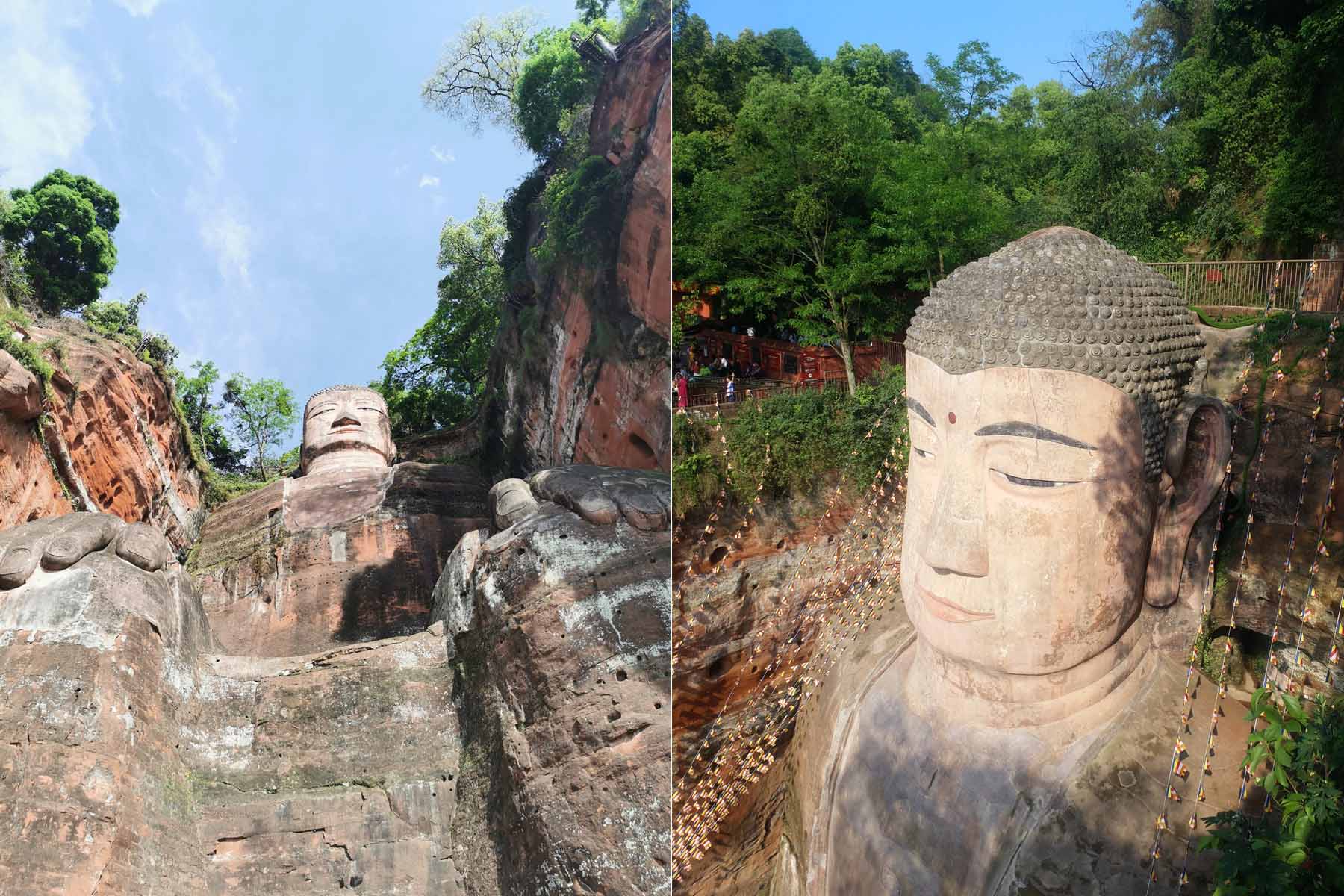
Leshan Grand Buddha by Walking
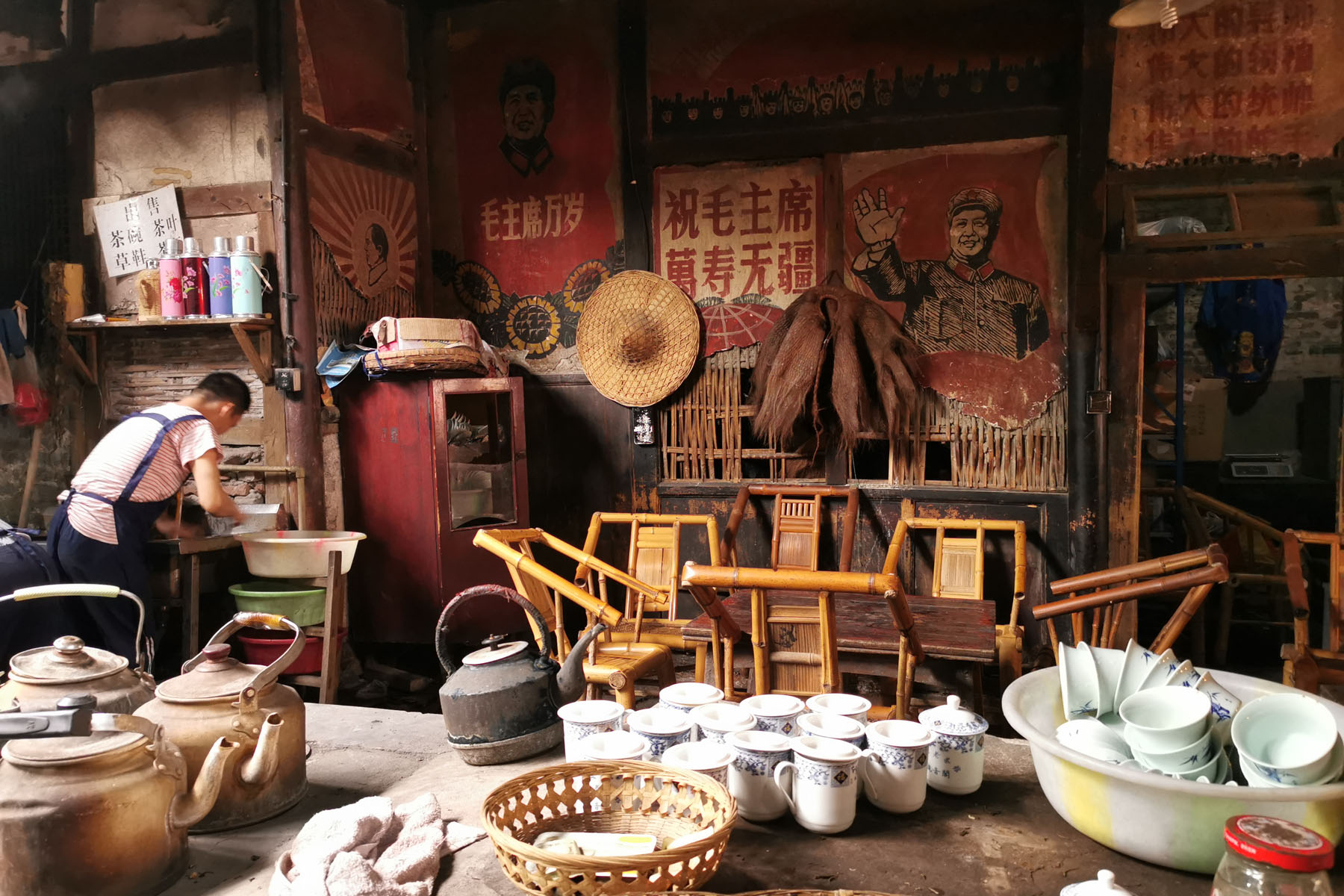
Pengzhen Teahouse
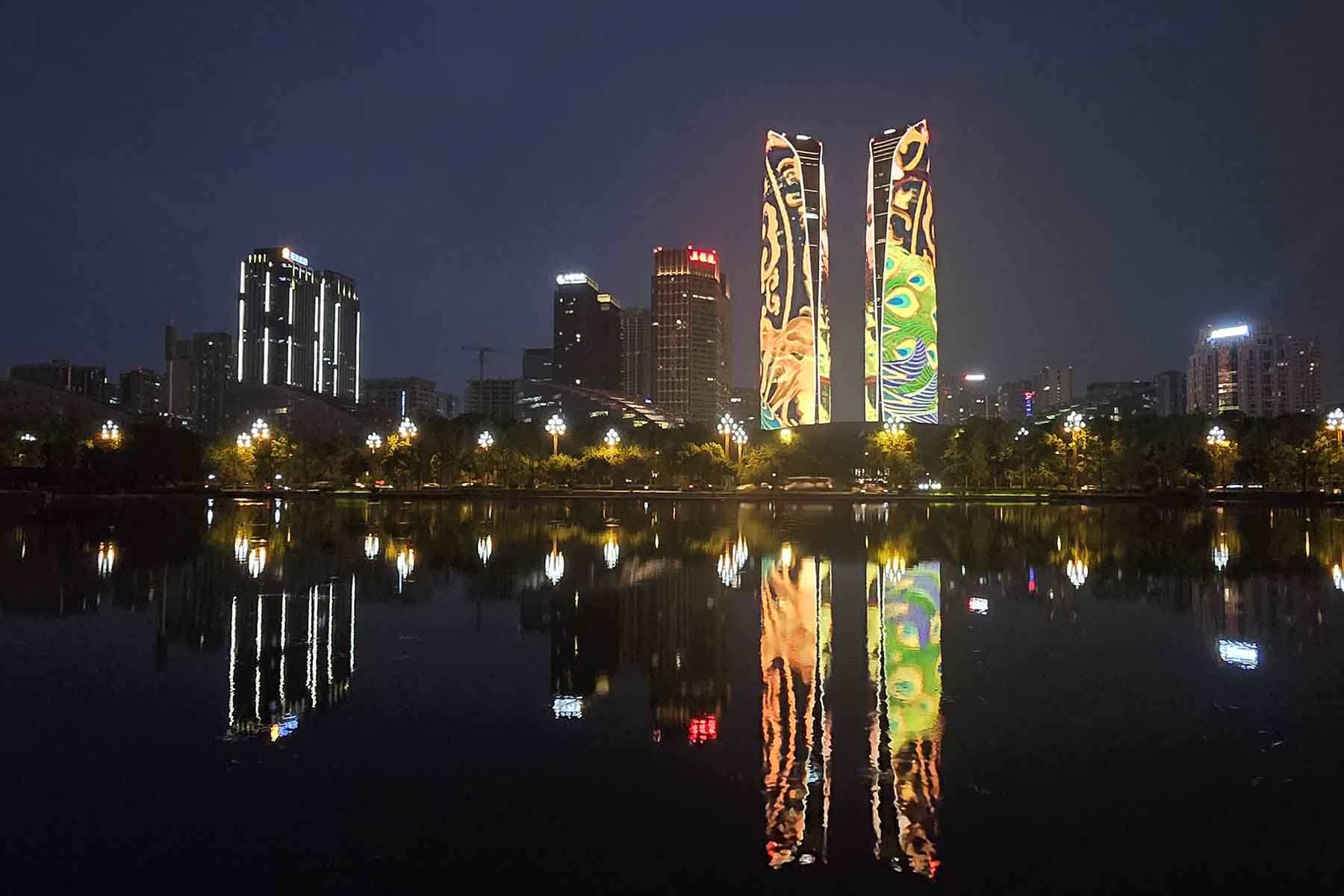
Twin Tower Night View
08:00 start from hotel and drive to Mt. Qingcheng
09:15 arrive Qingcheng and visit
12:30 lunch
14:00 drive to Dujiangyan en route visit Zhongshuge
15:30 visit Dujiangyan Park
17:30 drive back to Chengdu or optionla night tour for Blue Tears and Guanxi Old Town
Mt. Qingcheng: Qingchengshan, located 54km southwest of Chengdu city in Sichuan Province, is one of the ancient cradles of Taoist in China. It is also an intriguing scenic spot, which is covered by luxuriant and verdant trees. It is praised as ‘the most peaceful and secluded mountain under heaven’ for its evergreen scenery. And the name ‘Qingcheng’ means a town covered with evergreen forest in Chinese.
Zhongshuge Bookstore: Zhongshuge is a bookstore with unique design of its mirror ceiling that reflects the lights, providing a very surreal space within the store. It was known as “the most beautiful bookstore of China”. Zhongshuge is located in Rongchuang or Dujiangyan and has become a popular place to visit even among international visitors. Most people come here to take photos. It feels like a forest of books in an ethereal space that you may feel getting lost inside even though it’s not a very big bookstore.
Dujiangyan Park: Dujiangyan Irrigation System is a world heritage and one of the top attractions in near Chengdu city. The 2300-year-old water project work is a representative of ancient Chinese wisdom and the source of a Land of Abundance of Chengdu. Though Chengdu is praised as the ‘Land of Abundance’, over 2,200 years ago, the city was threatened by the frequent floods caused by the flooding of the Minjiang River, a tributary of the Yangtze River. At that time, the local official of the Shu state, Li Bing, together with his son, decided to construct an irrigation system on the River t prevent flooding. After a lengthy study and years’ hard work by the local people, the great Dujiangyan Irrigation Project was completed. Nowadays, the project still plays a crucial role in draining off floodwater, irrigating farms and providing water resources for more than 50 cities in Sichuan province.
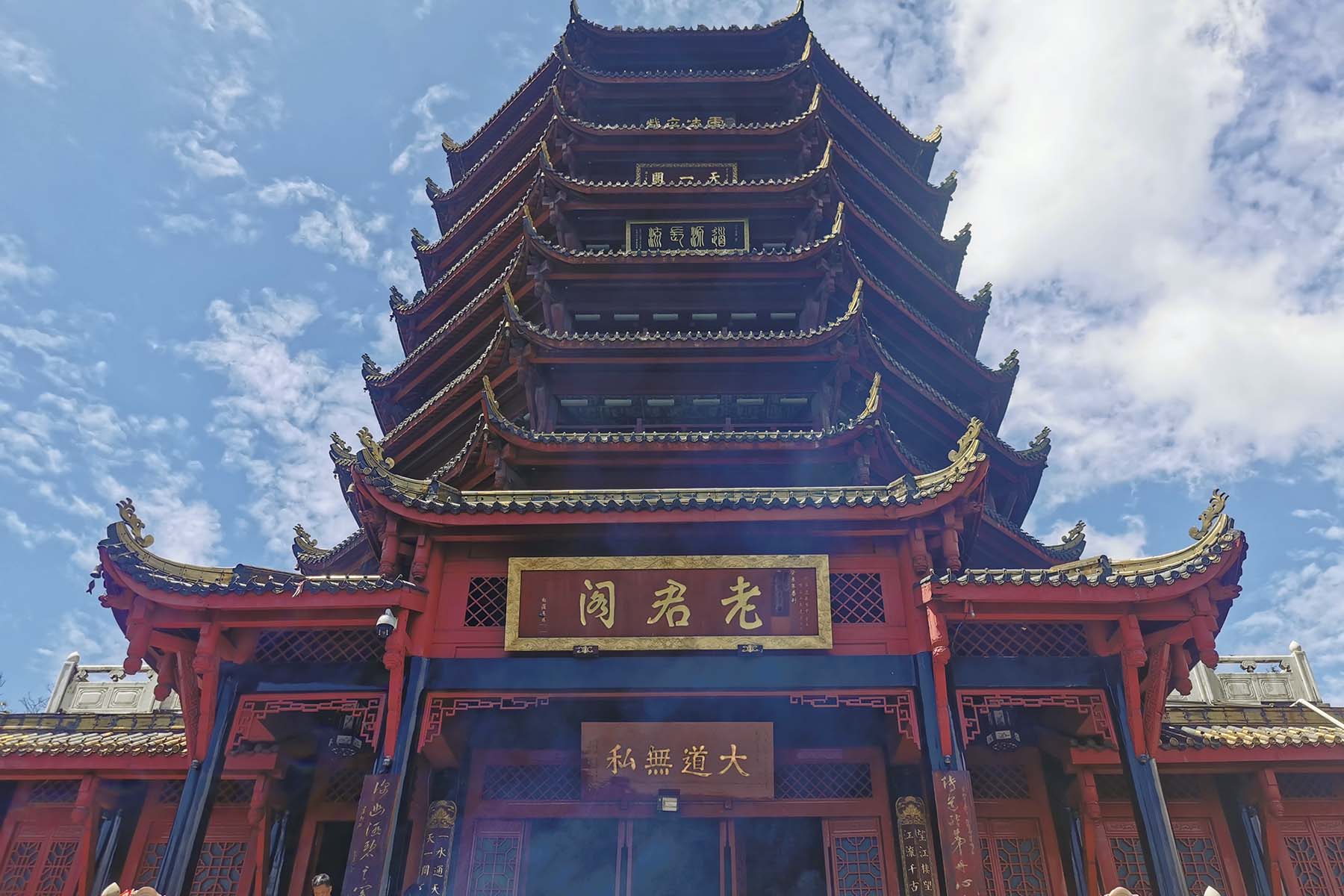
Mt Qingcheng
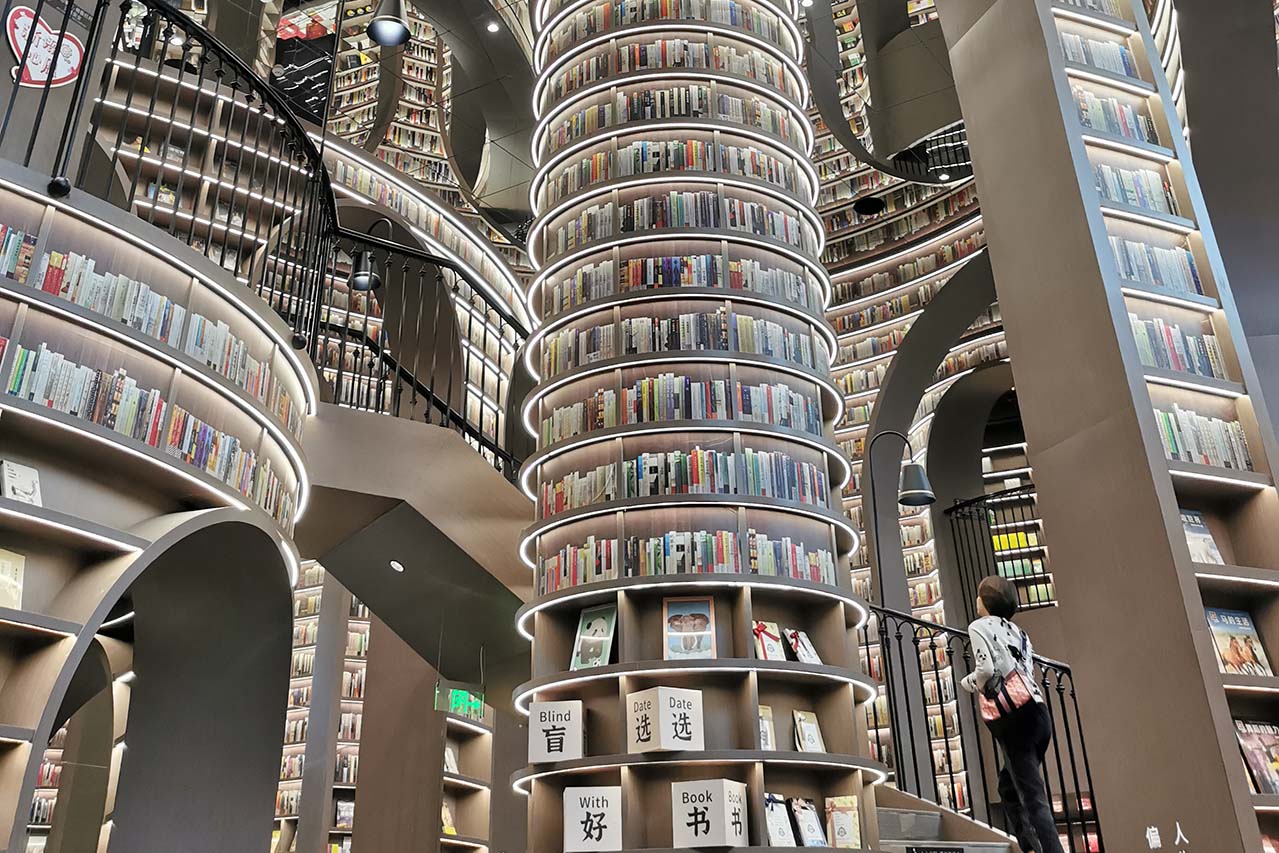
Zhongshuge Bookstore
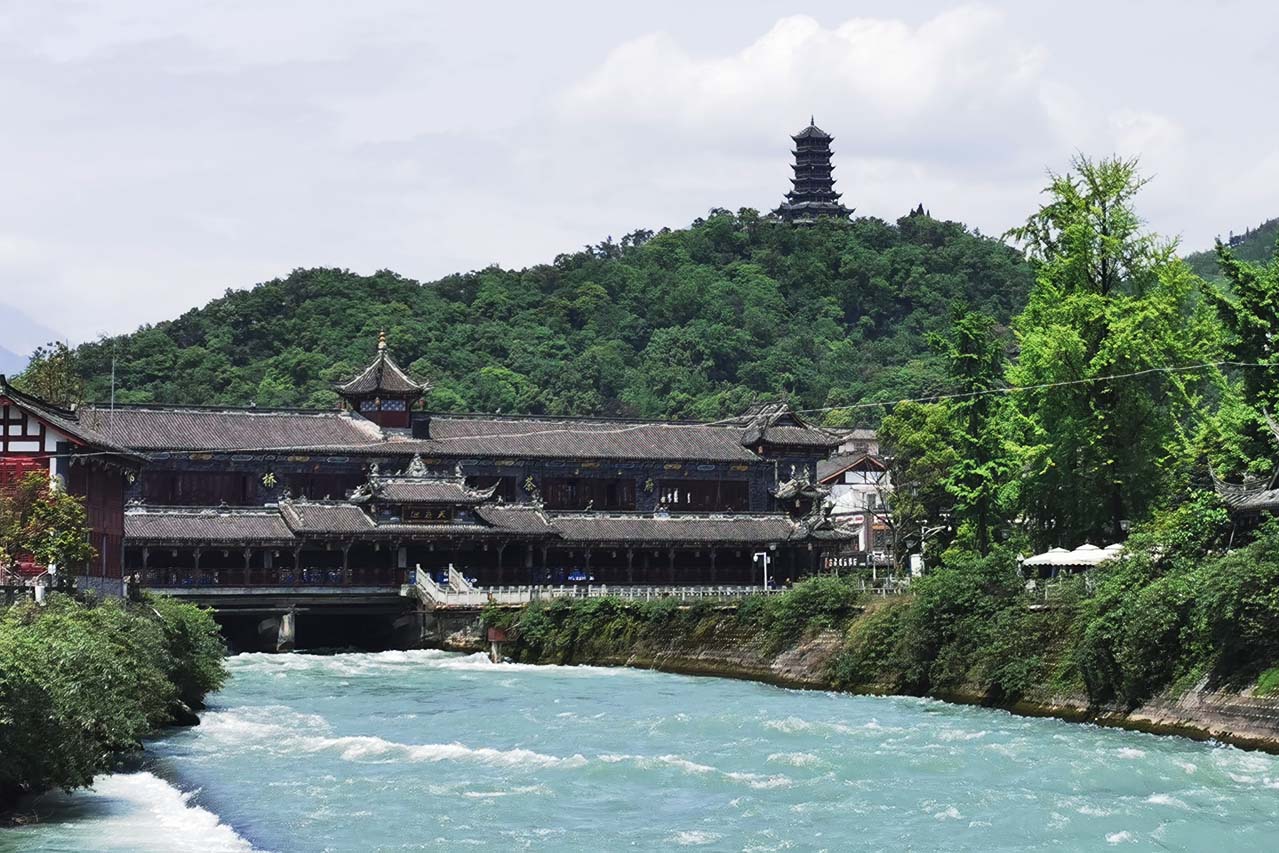
Dujiangyan
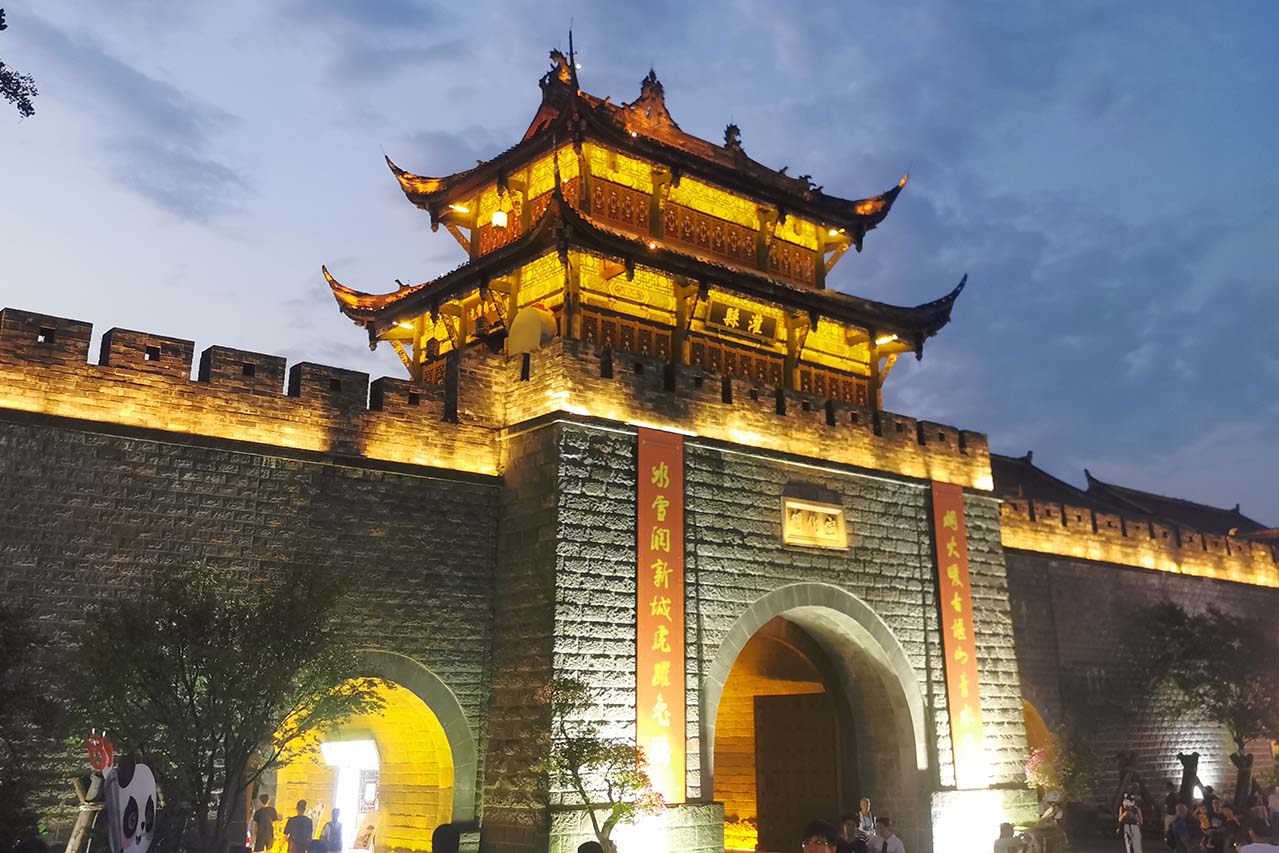
Dujiangyan Old Town
08:00 start from hotel and drive to Mt. Qingcheng
08:00 start from hotel and drive to Sanxingdui Museum
12:30 lunch
14:00 drive to People's Park and visit
16:00 visit Kuanzhai Alley
17:30 finish and drop off to your hotel, tour ends
Sanxingdui Museum: Sanxingdui Museum is an archaeological museum located in Guanghan near Chengdu, Sichuan Province, China. The museum is renowned for its extensive collection of artifacts especially the bronze wares. Sanxingdui archaeological findings are considered to be one of the most important ancient discoveries of the 20th century. The Sanxingdui archaeological site was discovered in 1929 by a farmer, but it wasn't until the 1980s that a large-scale excavation began. The site covers an area of approximately 12 square kilometers and consists of two sacrificial pits, numerous workshops, tombs, and residential areas. The excavation uncovered over 1,000 gold, bronze, and jade artifacts, including human and animal figurines, weapons, and ritual vessels.
People's Park: People’s Park is located near Tianfu Square in the center area of Chengdu. It is the first park in Chengdu and one of the first established parks in China. People’s park was called Shaocheng Park when it was first built in 1911. The name came from its location in the Shaocheng (small city) built for the Manchuria soldiers sent to Tibet and came back to settle. The big city (Taicheng) was built in today’s Tianfu Square as early as 311BC. In 1911, the Manchuria government came to the end and the Manchurians needed to be relocated so the governor of Sichuan enclosed today’s Shaocheng Park solely to be the residence for the Manchurians. Today it has become a significant place for Chengdu people. It is a small world inside the park where you can see the relaxed lifestyle of Chengdu people.
Kuanzhai Alley: Kuanzhai Alley is also called Big and Small Alleys in Chengdu. It is a traditional block of shops. The constructions are a copy of the old Chengdu about 100 years ago. And it is usually very crowd. Kuanzhai Alley is one of the three preserved old blocks after Daci Monastery and Wenshu Monastery. The alleys are composed of KuanAlley (the big alley), Zhai Alley (the small alley) and Jin Alley. It was rebuilt in 2008 for travelers. But the original shops and houses were copied and you can still see folk costumes of Shu Embroidery, Shu Brocade, Bamboo Products, etc. And there are also houses with different characters like there is a traditional painting house, an old tea house.
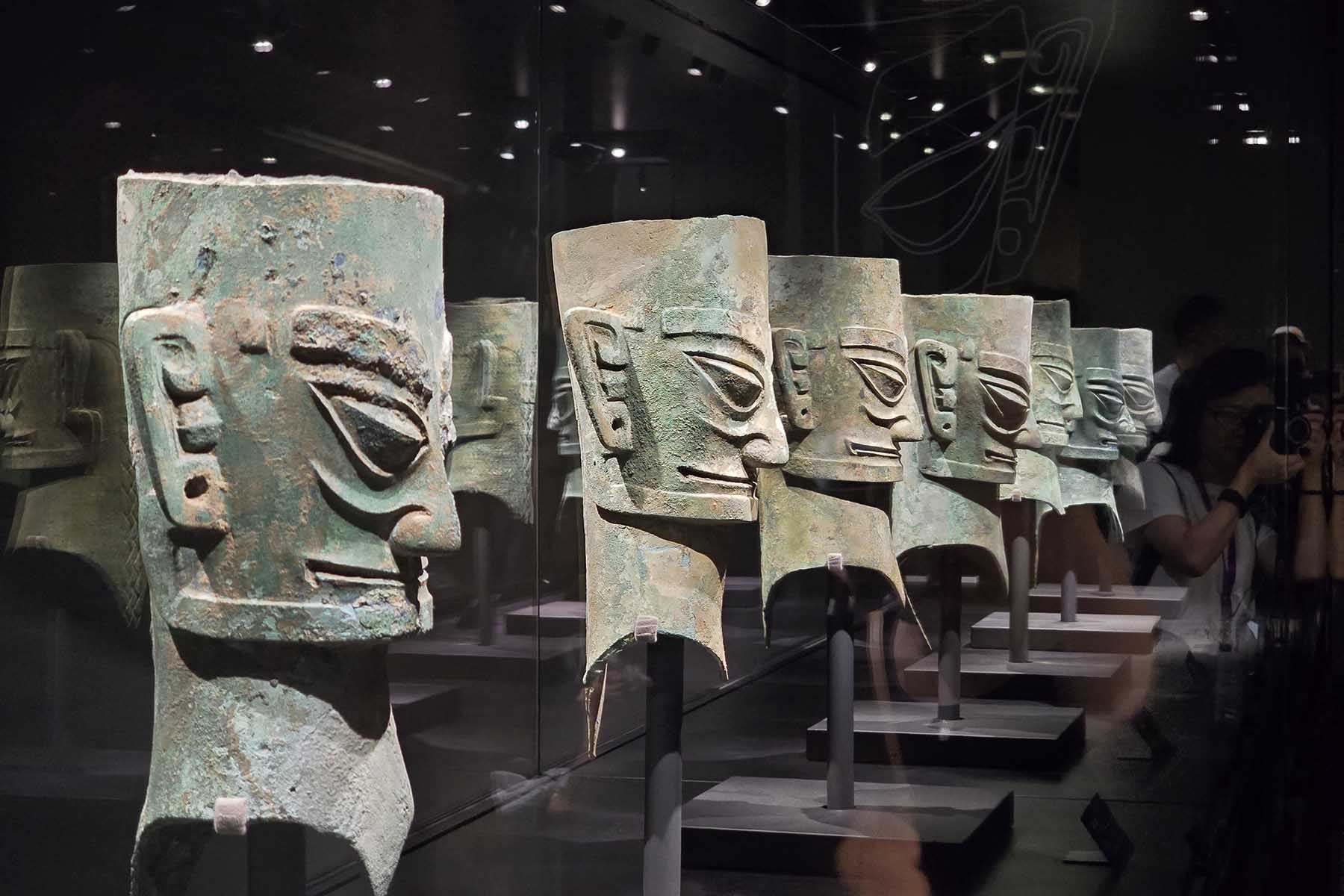
Sanxingdui Museum Bronze Masks
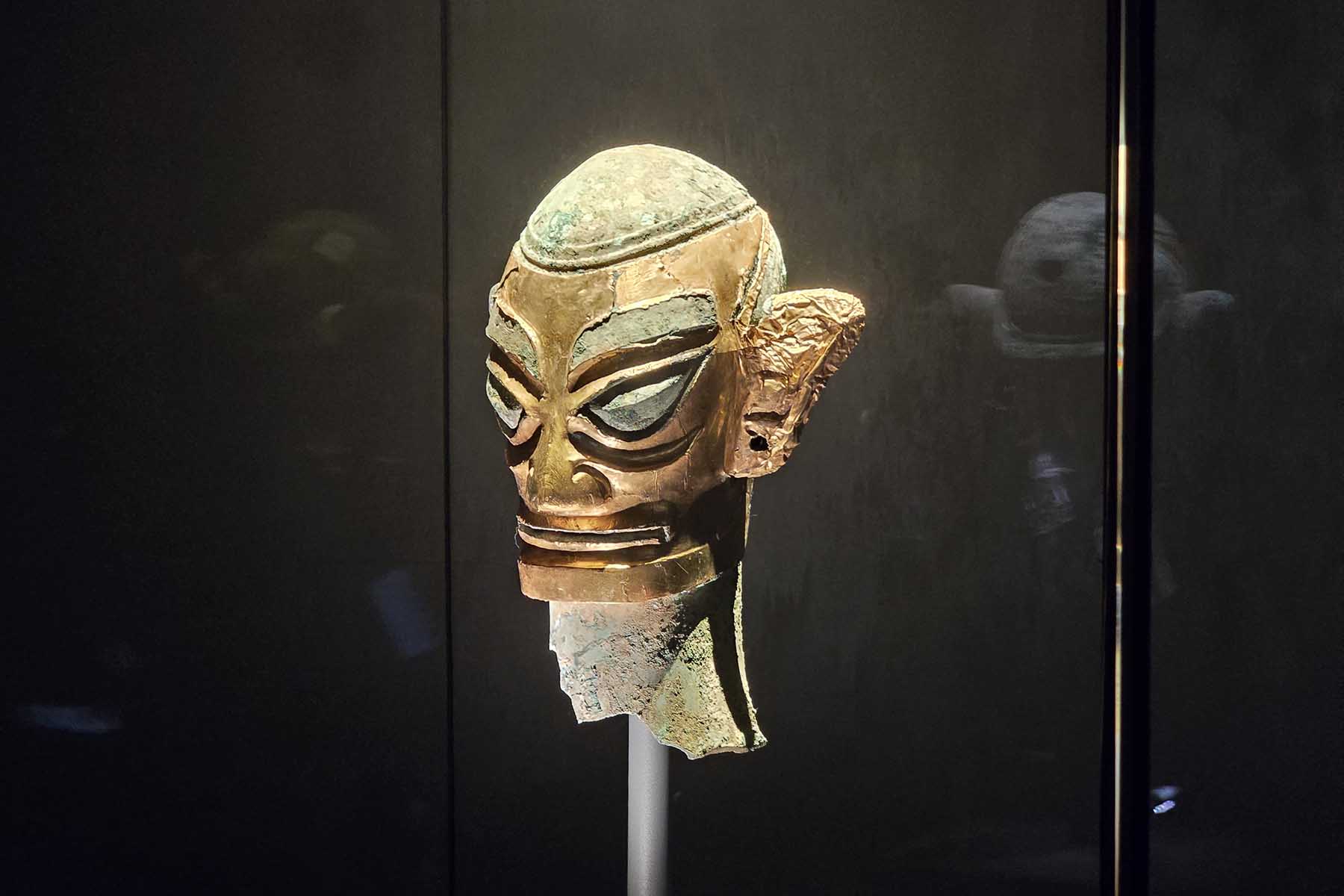
Sanxingdui Museum Bronze Masks
This is the best plan for all highlights of Chengdu and sites around Chengdu.
This is a private tour. this tour is customizable and available all year round.
Please complete the form below and submit it. Our team will contact you within 24 hours after receiving your inquiry.
