Beri Monastery (also known as Baili Monastery) is a Tibetan Buddhist monastery of the Gelugpa (Yellow Hat) sect located in Ganzi Couty of Garzê Tibetan Autonomous Prefecture, Sichuan Province. It is not only an important religious and cultural heritage site but also a renowned patriotic education base due to its deep historical connection with the Long March of the Red Army.

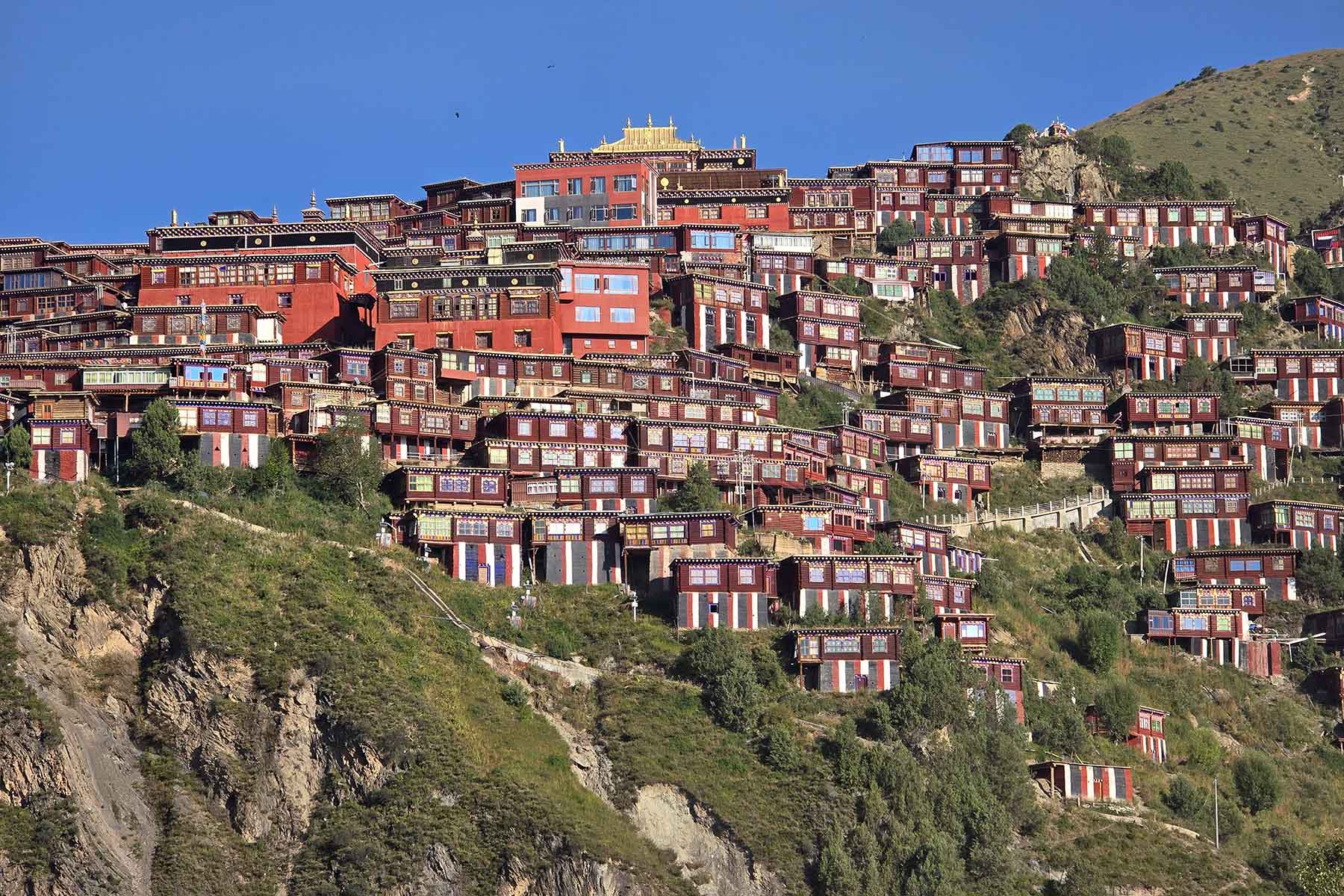
Beri Monastery

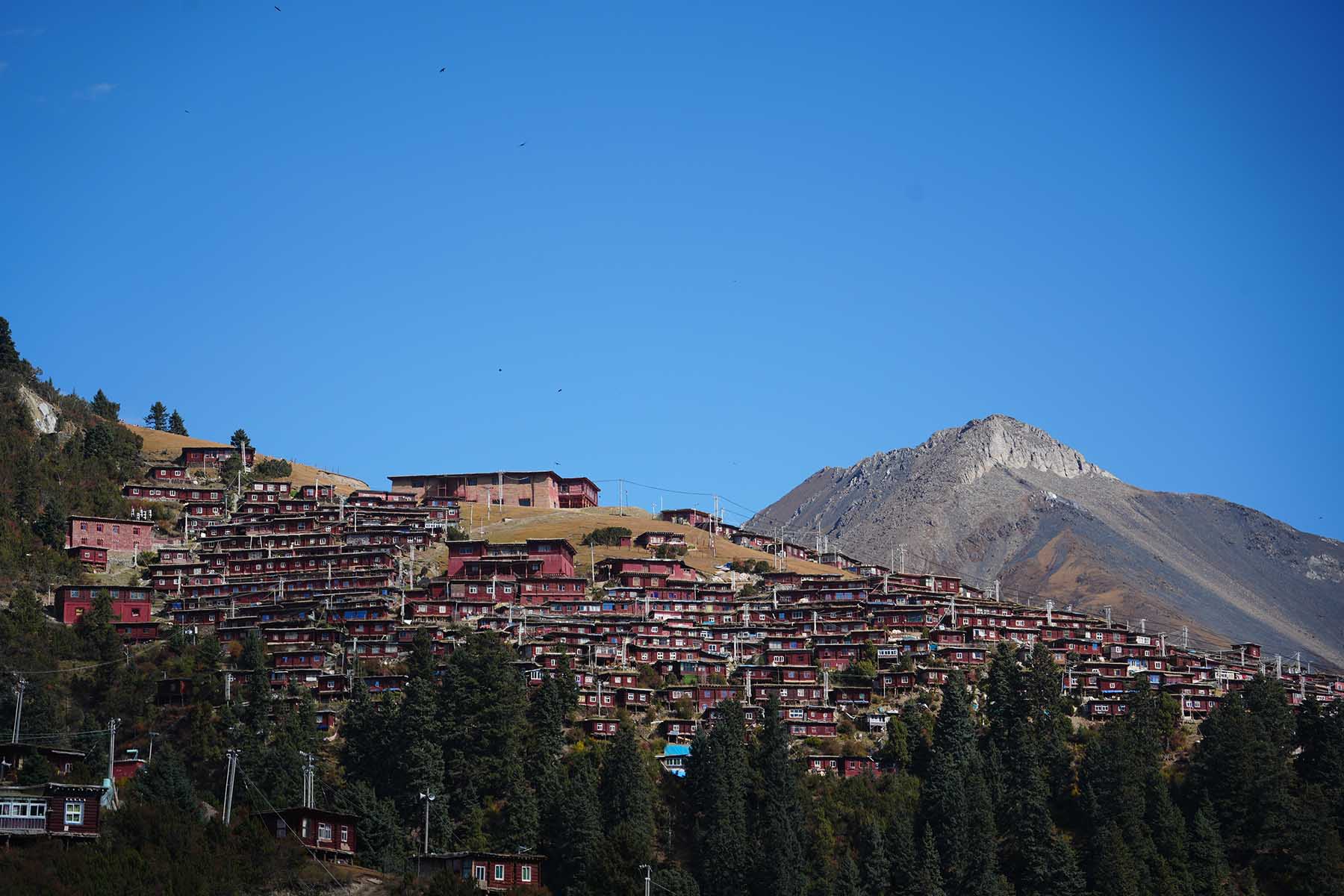
Beri Monastery View

Beri Monastery Above Yalong River
Beri Monastery is situated on the mountainside on the north bank of the Yalong River, in Shengkang Township, about 10 kilometers west of Ganzi County town. Its full name is "Bairi Lizhongsheng Xiangsi," meaning "Auspicious Land of the Green Ridge Mountain That Benefits All Sentient Beings." It was founded in the first year of the Kangxi reign of the Qing Dynasty (1662 CE) by Ngawang Phuntsok, a disciple of the 5th Dalai Lama, and is one of the thirteen monasteries of the Gelugpa sect in the Huo’er region.
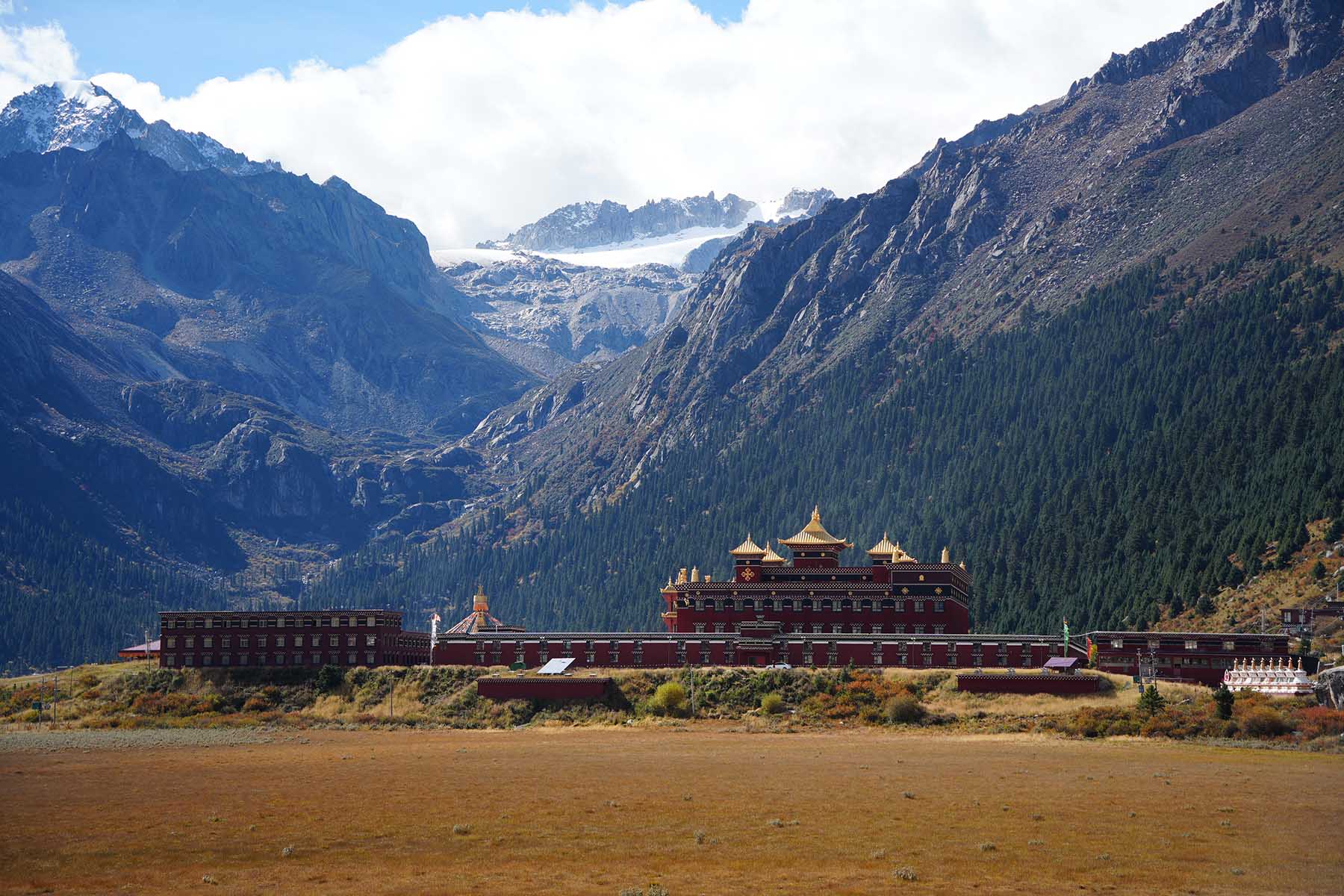
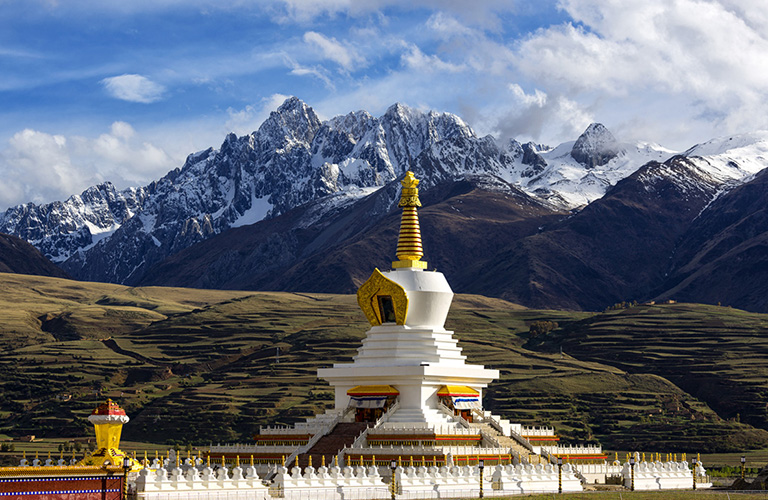
The monastery faces south towards the Gangga main peaks and glacier, with the main hall constructed in a traditional Tibetan style—a three-story building with a two-story attic above a base floor, featuring rammed earth walls and a clay roof. The first-floor Buddha hall serves as the main structure, with well-preserved, brightly colored murals dating back to the Qing Dynasty on its walls. The western hall enshrines three gilded Buddha statues, each standing 5 meters tall. The second and third floors are residential quarters for living Buddhas and lamas.

Beri Monastery Facing the Gangga Mountains
A "Red Monastery": In 1936, during the Long March, the Red Army passed through Ganzi. The monastery's Rinpoche, the 5th Gedal (Geshe) Living Buddha, was deeply inspired by the Red Army's policies(as it was written). He not only mobilized monks and local people to support the Red Army but also actively took in and cared for wounded Red Army soldiers. When the Red Army established the Soviet Bokba Government—the first people's revolutionary regime in Tibetan history—the Gedal Rinpoche was elected as its vice chairman. Commander-in-Chief Zhu De held multiple talks with the Gedal Rinpoche here, and a memorial hall dedicated to both Commander-in-Chief Zhu De and the 5th Gedal Rinpoche is now located on the second floor of the main hall.
Recommended time of visit: 0.5h-1h
Ticket Information: Free of charge
Business Hour: 6am-6pm