Derge Maisu (also known as Maisu Town or Dzongsar) is not a "tourist attraction" in the conventional sense, but rather a sacred haven of Tibetan handicraft culture hidden deep in the valleys of Dege(Derge) County, western Sichuan. It is hailed as "the only place in Tibet where Tibetan handicrafts are preserved in their complete form" and is also known as "the hometown of traditional Tibetan ethnic handicrafts in China." In Tibetan, Maisu means "the place where celestial beings lost medicinal herbs." It is not only the birthplace of Southern School Tibetan medicine but also a living heritage center for the "Artisan's Craft" (manual skills)—one of the "Five Sciences" (Wuming) of Tibetan Buddhism. Here, tradition is not a museum exhibit; it is a living culture that flows through the daily lives of the local people. The entire Maisu area has a permanent population of about 6,000, among whom over 2,000 are artisans, preserving dozens of intangible cultural heritage crafts including black pottery, thangka painting, copper casting, wood carving, and Tibetan incense making.
Maisu Town is located in Dege County, Garzê Tibetan Autonomous Prefecture, Sichuan Province, within the Mai Qu River basin, comprising Puma Township, Dama Township, and Yueba Township. Starting from Dege County town and driving along the river valley, the journey takes about 2–3 hours. It also takes about 3–4 hours by car from Manigange Town (only small vehicles can access). Note the critical section: after turning off the Dingqu River Bridge onto the branch road leading to Maisu, the road narrows, with rock walls on one side and the river valley on the other—drive with extreme caution. An SUV is recommended for the visit.
This is the soul of Maisu. You can freely visit various workshops dotted throughout the villages and watch artisans patiently perfecting their crafts over long hours. Qinle Workshop: One of the larger and more well-known workshops in Maisu, specializing in the art of Limaca (a copper alloy) casting, and the only one that offers accommodation. Other Workshops: You can also find Tibetan black pottery studios, traditional yak wool and sheep wool weaving workshops, thangka painting classes, Tibetan incense making, gold and silver filigree, and wood carving workshops, among others. Immersive Experience(seasonally available): Many workshops are not just for viewing—you can also get hands-on experience under the guidance of masters, such as shaping black pottery, coloring thangkas, or learning basic forging techniques.
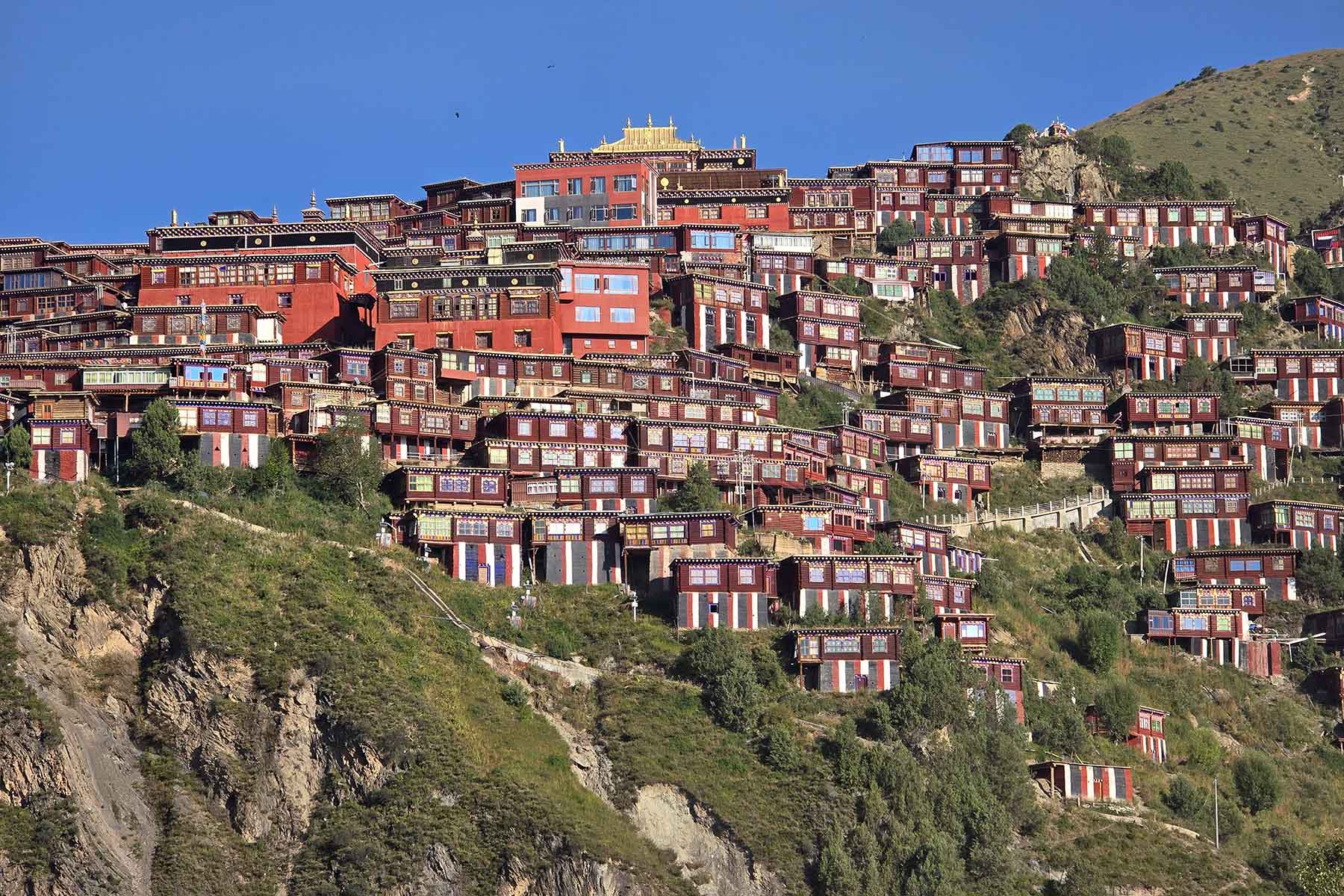
Location and Appearance: Dzongsar Monastery sits on the mountain of Maisu, with its building complex centered around the main prayer hall. Looking up from the foot of the mountain, the three-colored walls of red, white, and gray, along with the pure wooden structures built on stilts, present a truly magnificent sight. History and Status: Founded by the renowned scholar Jamyang Khyentse Wangpo (1820–1892), it is an academic center of the Sakya school of Tibetan Buddhism and the birthplace of the "Rimé movement" (the nonsectarian movement). The Buddhist academy currently has about 800 monks studying here systematically. There is no sense of restraint here; instead, it is filled with a strong academic ambiance where you can experience tranquil Zen-like peace and devout dedication to learning. Read More >>

Dzongsar Monastery
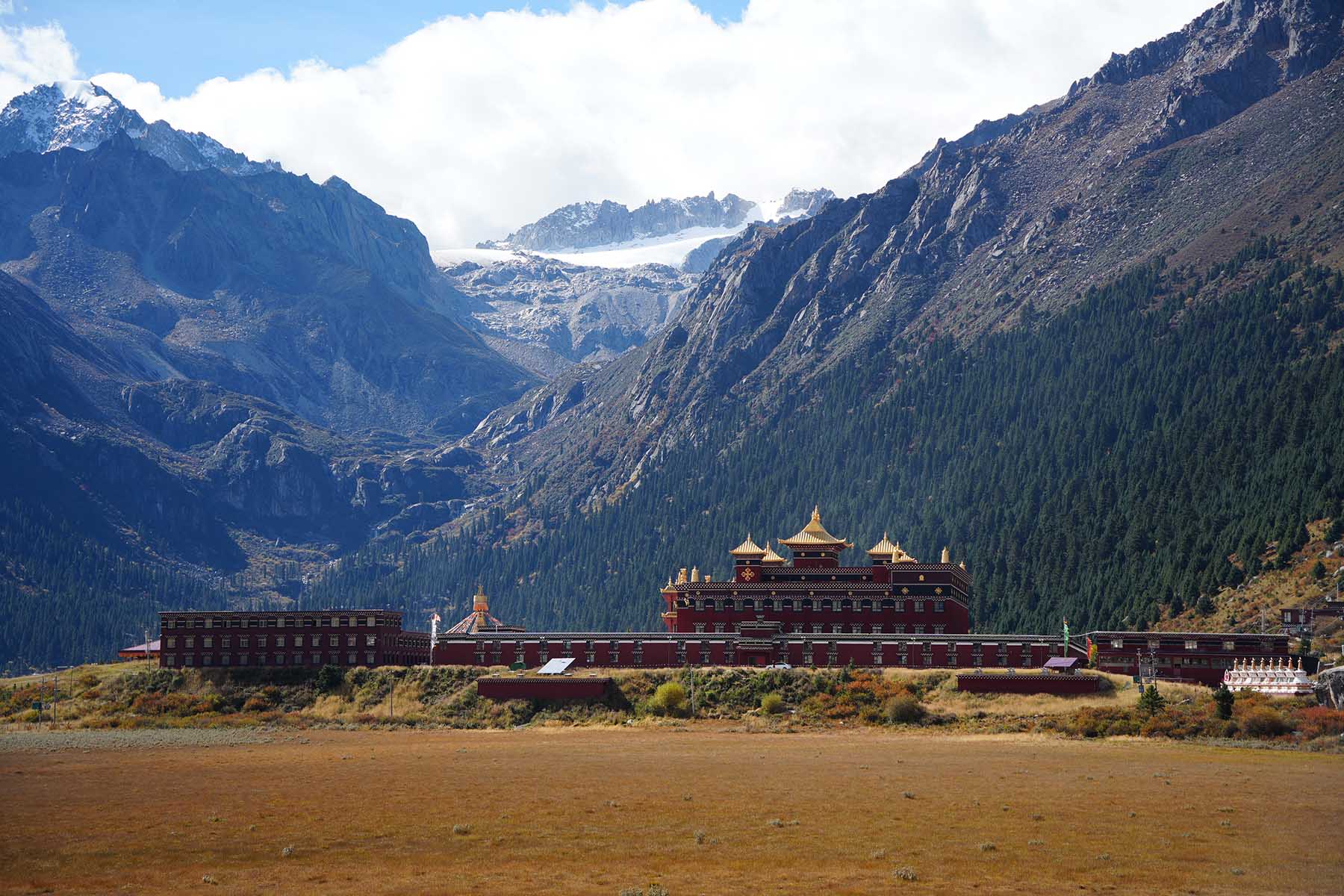
If Maisu is a cultural sanctuary, Duopugou is its surrounding natural treasure. Scenic Features: Known as one of the most beautiful natural scenic areas in Dege. Inside the valley are neatly towering spruce forests, clear streams, pastures, and majestic snow-capped peaks, creating rich layers of scenery that are highly photogenic. Getting Around: Cement roads have been built deep into the valley. You can stop and enjoy the scenery whenever a beautiful view catches your eye—it's an ideal place to do hiking or simply sit in quiet contemplation. Dopu Valley is also a place where herders graze their cattle and locals hold "Shuabaizi" (picnics and gatherings) for leisure. Read More >>

Dopu Valley
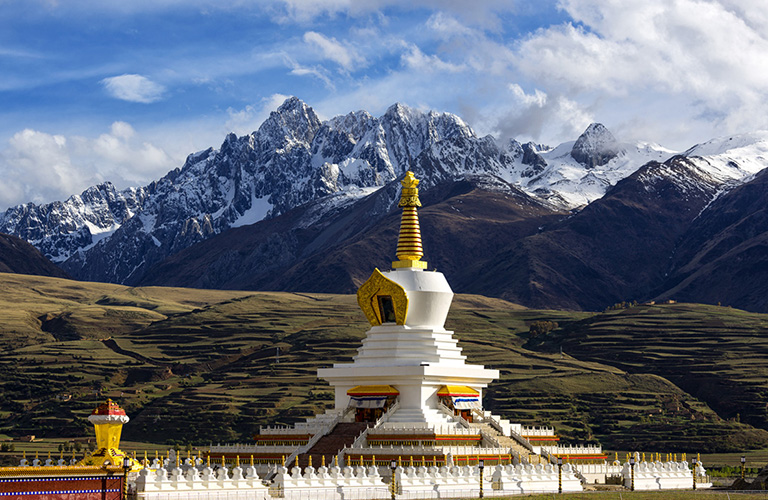
Along the valley, there are also hidden retreats such as the Gagu Meditation Retreat Center (=Gagu Nunnery), a lesser-known spiritual site built on top of the mountain with direct views of Southface Mt. Chola. Read More >>

Gagu Nunnery
The altitude in Maisu is at 3000 meters or higher, please be sure to take precautions against altitude sickness. Some road sections may be under construction or affected by the rainy season, so plan for extra time and check road conditions in advance if possible. When visiting workshops and monasteries, please respect local culture and artisans, and do not take photos without permission.

Dzongsar
Summer (when wildflowers bloom and the valley is lush green) and autumn (when the landscape is a riot of colors) offer the most beautiful scenery.
It is recommended to stay in Maisu for at least one night. The Qinle Workshop Homestay is a well-known accommodation option with good facilities and a strong artistic atmosphere. There are also other choices such as the Deji Thangka Homestay. In the last few years more and more family lodges are available.
Recommended time of visit: All day (workshops usually between 10am and 5pm);
Ticket Information: Free of Charge
Business Hour: half day to 3 days